The modern supercar market includes everything – from atmospheric V12 machines to plug-in hybrids and fully electric hypercars. Some models focus on maximum speed, while others emphasize low weight, aerodynamics, engaging handling, or avant-garde technology.
Here are 20 supercars and hypercars that stand out with their performance, engineering, design, and impact on the industry.
1. Bugatti Chiron Super Sport
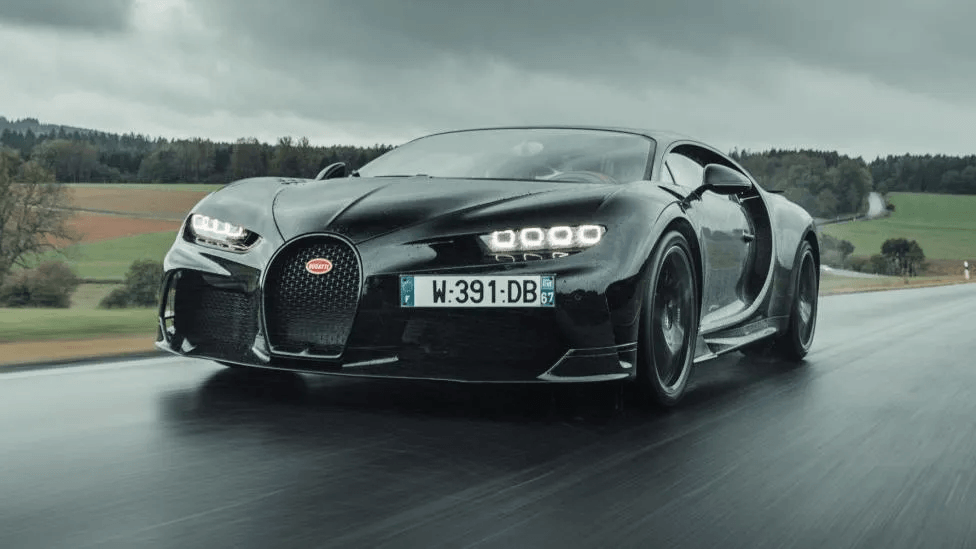
Bugatti Chiron Super Sport is one of the most extreme interpretations of the Chiron platform.
Its 8.0-liter engine with four turbochargers produces the massive 1578 hp, providing impressive acceleration and exceptional performance at high speeds. The Chiron platform has already demonstrated its ability to cross the 300 mph threshold, although the Super Sport itself is electronically limited to approximately 273 mph.
Beyond the impressive numbers, Chiron Super Sport combines immense speed with the level of luxury and comfort expected from Bugatti.
Key features:
- 8.0-liter engine with four turbochargers
- 1578 hp
- Limited top speed of 273 mph
- Exceptional stability at high speed
- Luxurious hypercar interior
2. Rimac Nevera
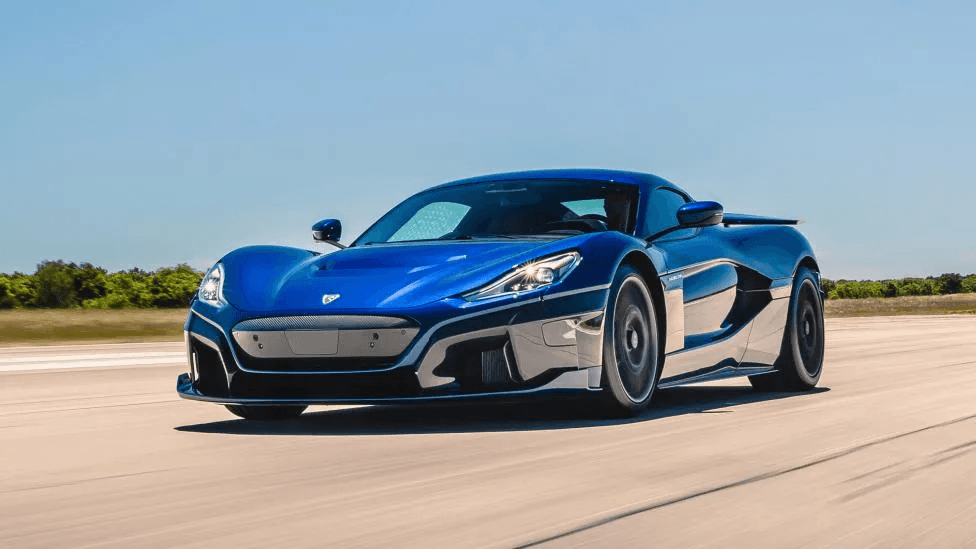
Rimac Nevera shows how far electric high-performance cars have come.
The 120 kWh battery powers four electric motors, with each wheel controlled independently. Total power reaches approximately 1914 hp, and torque is around 1740 lb-ft.
The result is stunning acceleration. Nevera can reach 60 mph in about 1.85 seconds, 100 mph in approximately 4.3 seconds and 186 mph in about 9.3 seconds.
The top speed is approximately 258 mph.
Among electric hypercars, Nevera remains an important benchmark for acceleration, torque management, and electric drive technology.
3. Pininfarina Battista
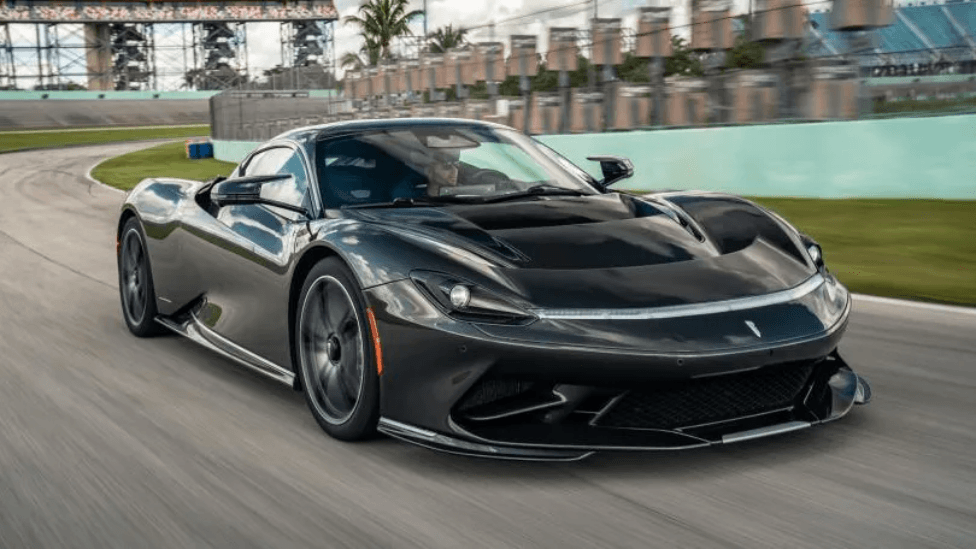
Pininfarina Battista shares key technologies with Rimac Nevera, but combines them with a distinctive Italian design.
Rimac delivers much of the electric architecture, drive technology, and carbon structure. Pininfarina, on the other hand, gives Battista its own design, interior, and character.
As a result, Battista combines immense electric performance with a more traditional Italian approach to exotic car styling.
The model presents Pininfarina's vision of what a luxury electric hypercar should look like.
4. Lamborghini Sián
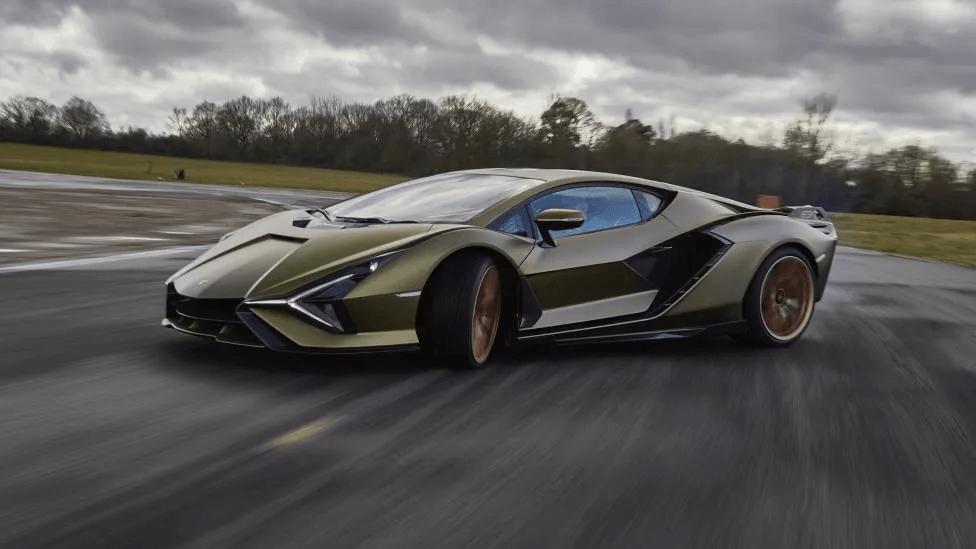
Lamborghini Sián marked an important step toward electrification for Lamborghini.
Its name comes from a word in the Bolognese dialect associated with lightning, which fits perfectly with its electrified powertrain.
At its core is a 6.5-liter atmospheric V12, similar to the engine in Aventador SVJ. Lamborghini combines it with electric assistance through supercapacitor technology.
Total power reaches approximately 808 hp.
In addition to increasing power, the electrification also helps improve the driving feel, including smoother gear shifts on the Aventador platform.
5. Ferrari 812 Competizione
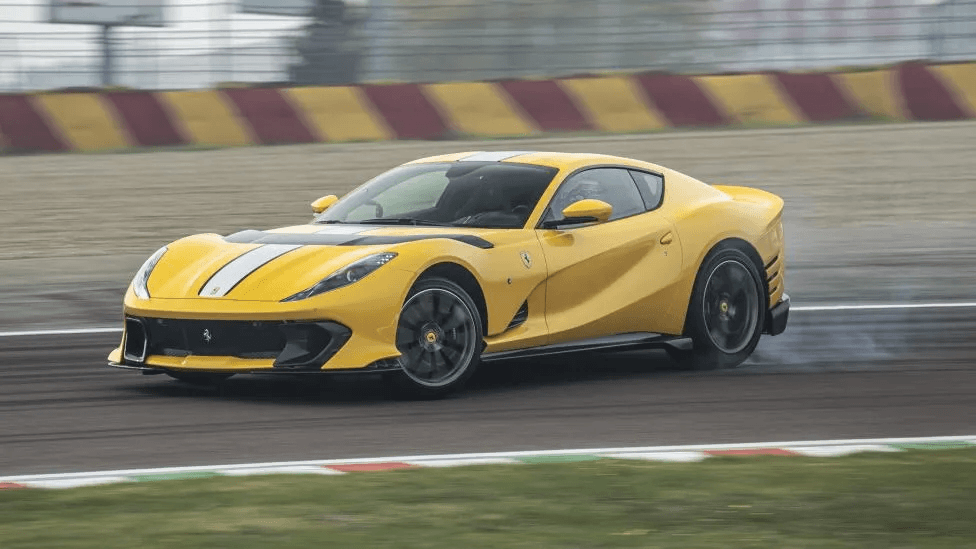
Ferrari 812 Competizione pays homage to one of the most traditional supercar formulas – a high-revving atmospheric V12 without turbochargers or hybrid assistance.
The V12 engine produces approximately 819 hp and 513 lb-ft torque.
Ferrari also reduces weight and introduces significant aerodynamic changes compared to the 812 Superfast.
The result is a sharper and more focused version of the front-engine V12 grand tourer from Ferrari.
For enthusiasts who value atmospheric engines, 812 Competizione represents an increasingly rare type of high-performance car.
6. McLaren Speedtail
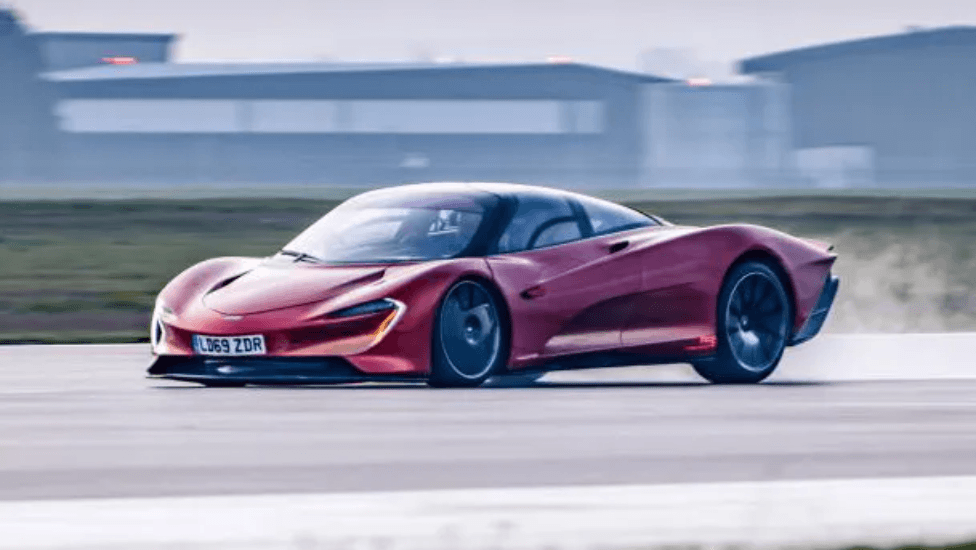
McLaren Speedtail remains one of the most recognizable cars created by the British manufacturer.
Its hybrid powertrain with a 4.0-litre V8 with two turbochargers produces approximately 1036 hp, while the extremely aerodynamic body helps the car reach around 250 mph.
This makes it the fastest road car from McLaren.
Speedtail also stands out visually. Instead of large wings and aggressive aerodynamic elements, it uses an exceptionally smooth shape, designed for maximum efficiency at high speed.
The three-seat configuration also recalls the legendary McLaren F1.
7. Maserati MC20
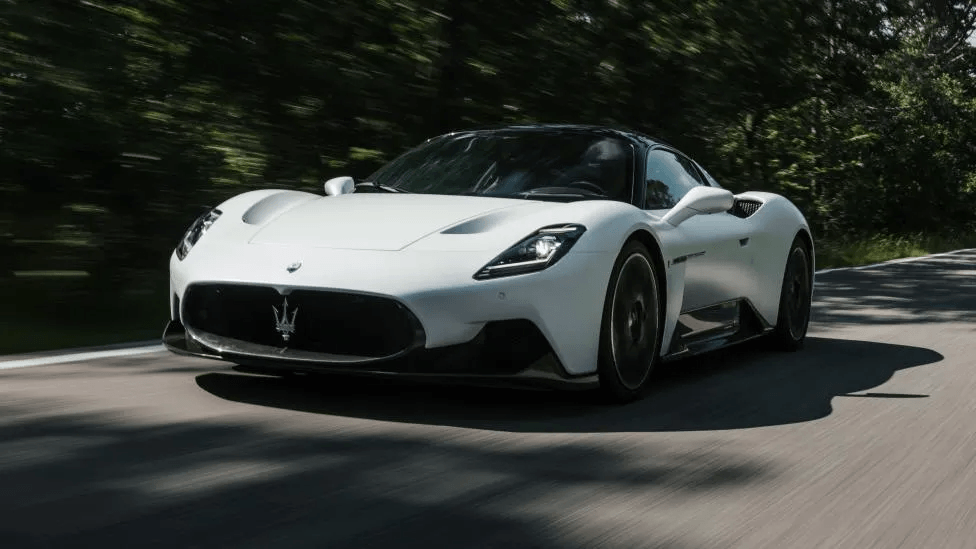
Maserati MC20 marked the big return of the Italian manufacturer to the supercar segment.
The mid-mounted 3.0-litre V6 with two turbochargers produces approximately 621 hp and 538 lb-ft torque.
One of the most interesting features of the engine is the pre-chamber combustion technology, inspired by engineering solutions in motorsport.
MC20 is however not just an engine.
The lightweight construction, mid-mounted engine, clean design and balanced chassis give Maserati a modern sports flagship that differs significantly from the traditional grand tourers and luxury sedans of the brand.
8. Lotus Evija
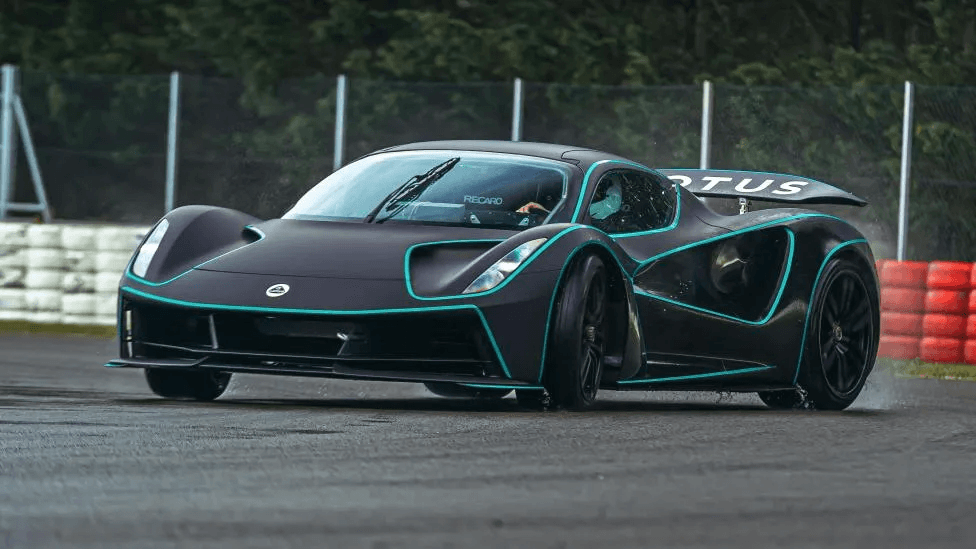
Lotus Evija carries the British philosophy of light sports cars into the era of electric hypercars.
Four electric motors provide all-wheel drive and a total power of approximately 1972 hp.
Lotus claims acceleration from 0 to 62 mph in under three seconds and from 0 to 124 mph in around six seconds.
Evija also uses aggressive aerodynamic tunnels that allow air to pass through parts of the body, rather than just around it.
Despite the massive electric power, Lotus aims to preserve the low weight philosophy and focus on handling, with which the brand is known.
9. Lamborghini Huracán STO
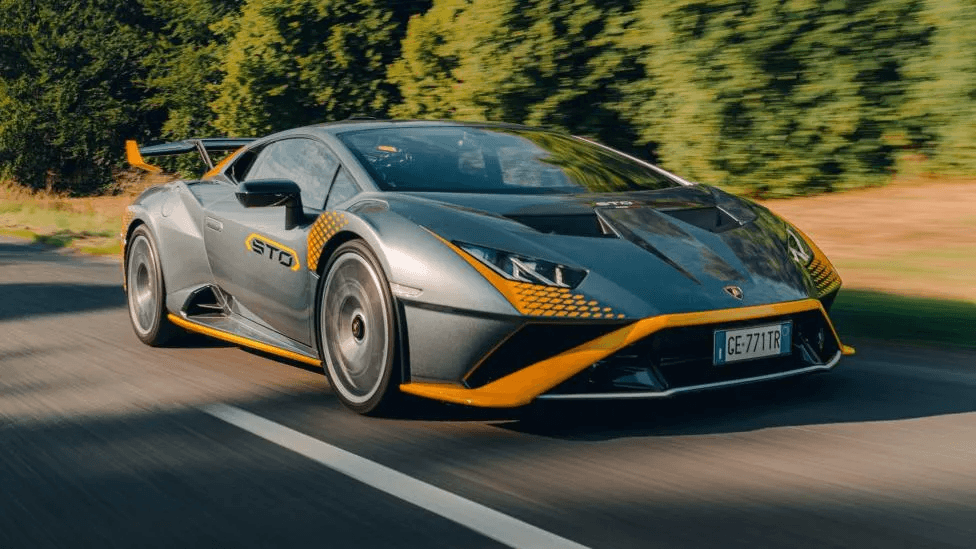
Lamborghini Huracán STO turns the standard Huracán into a car that is significantly closer to a race car with registration plates.
Its 5.2-litre naturally aspirated V10 produces approximately 631 hp and 416 lb-ft torque.
However, power is only part of the story.
Compared to the less extreme versions of Huracán, STO reduces weight and gets a much more aggressive aerodynamic package. In addition, it uses a rear transmission and drifting rear wheels.
Lamborghini claims the model generates significantly more downforce than Huracán Performante.
The result is one of the most track-focused versions of Huracán.
10. McLaren Artura
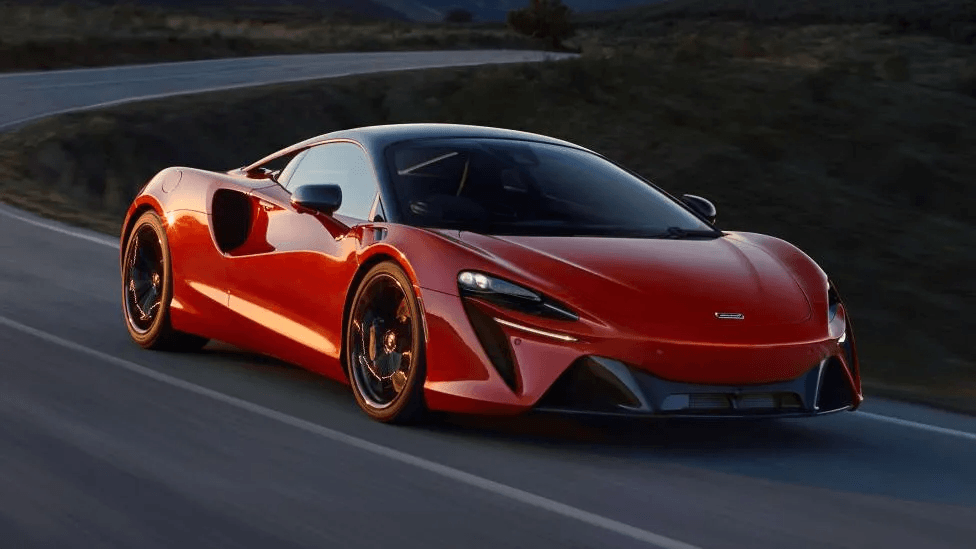
McLaren Artura introduces plug-in hybrid technology in a more usable modern supercar.
The hybrid system produces approximately 671 hp and 431 lb-ft torque.
The performance remains fully at the level of a supercar:
- 0–62 mph in around 3.0 seconds
- 0–125 mph in approximately 8.3 seconds
- Maximum speed around 205 mph
The battery with a capacity of 7.4 kWh also provides limited range on electric power only.
Artura shows how McLaren can combine electrification with a light chassis and precise handling.
11. Ferrari Monza
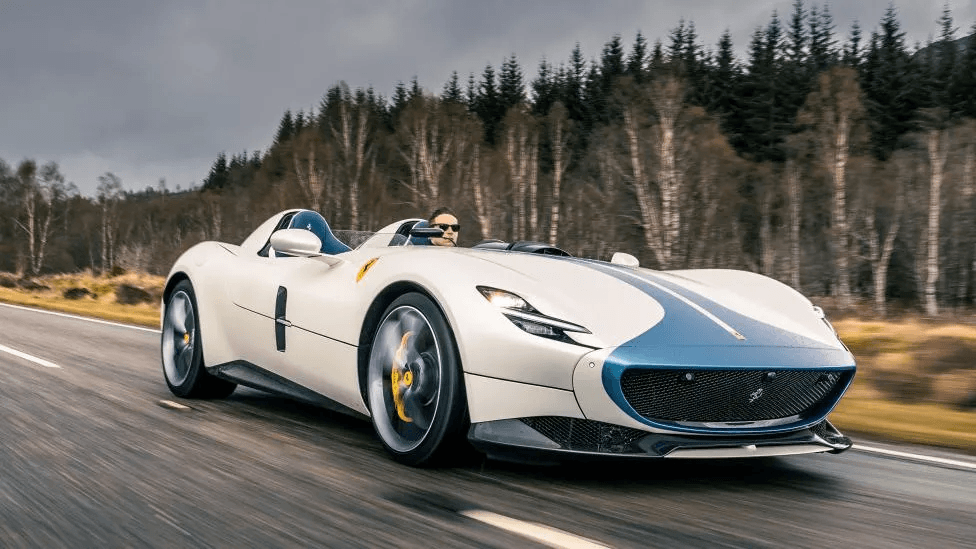
Ferrari Monza takes open-top driving to the extreme.
Instead of a standard windscreen Ferrari creates a minimalist speedster, inspired by the historical racing cars of the brand.
Two main versions are offered.
Monza SP1 is single-seater, while SP2 adds a passenger seat.
The powertrain comes from a 6.5-litre naturally aspirated V12, based on the one in Ferrari 812 Superfast.
The combination of huge V12 power, minimal protection from weather conditions and dramatic design makes Monza one of the most unusual modern models from Ferrari.
12. Gordon Murray Automotive T.50
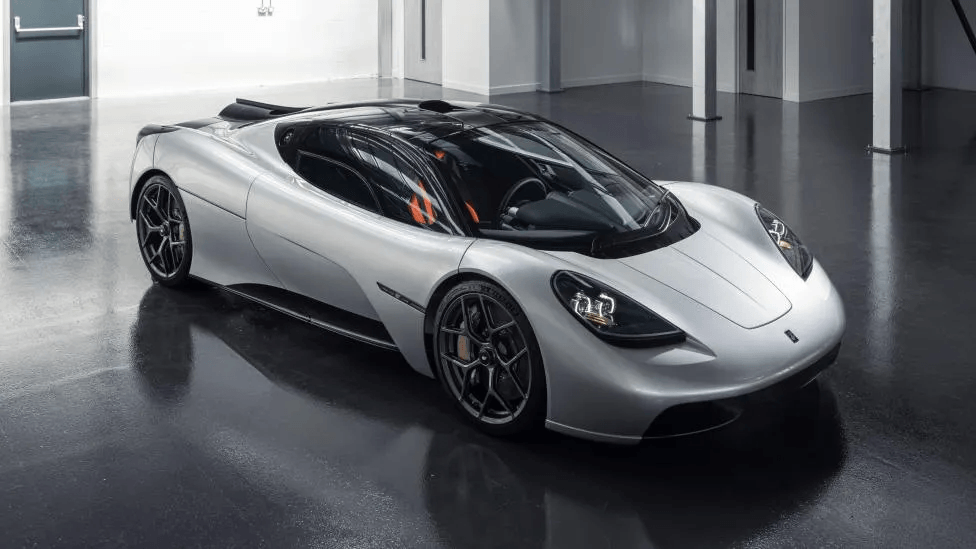
Gordon Murray Automotive T.50 draws inspiration from the engineering philosophy behind McLaren F1.
Gordon Murray has designed both cars, and the similarities are entirely intentional.
T.50 combines a lightweight carbon construction, naturally aspirated V12 and a three-seat configuration with a central driver position.
One element however makes it particularly recognizable – the huge fan at the rear.
It is part of a complex aerodynamic system that manages the airflow and improves aerodynamic performance.
Instead of pursuing maximum power, the T.50 focuses on low weight, driver involvement and mechanical purity.
13. Porsche 911 Turbo S
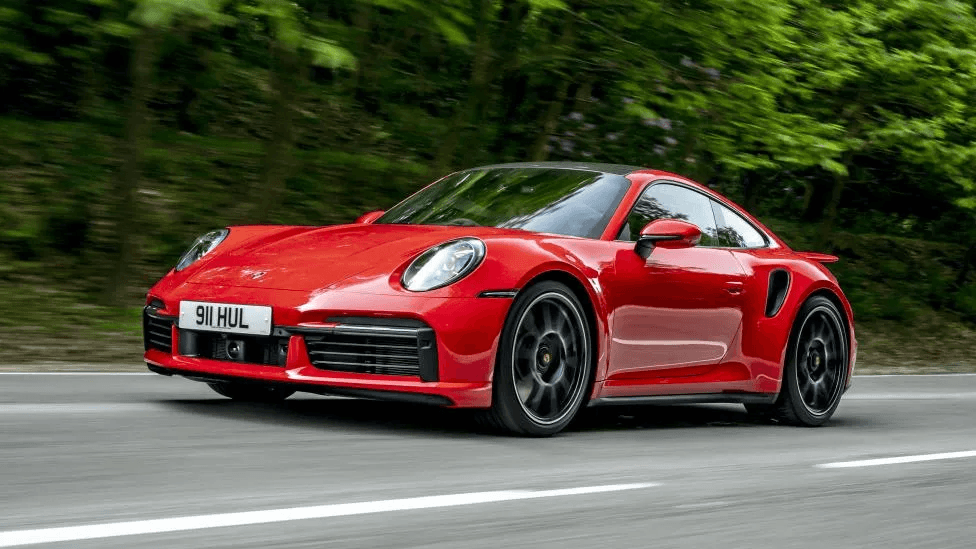
Porsche 911 Turbo S proves that a supercar does not have to sacrifice daily usability.
Its 3.7-liter flat-six engine with two turbochargers produces approximately 641 hp and 590 lb-ft of torque.
The combination of all-wheel drive and improved launch control ensures exceptional acceleration under almost any conditions.
But versatility is what makes it particularly impressive.
911 Turbo S can be a comfortable daily driver, a long-distance grand tourer and an exceptionally fast sports machine.
Few competitors combine these qualities as successfully.
14. Aston Martin V12 Speedster
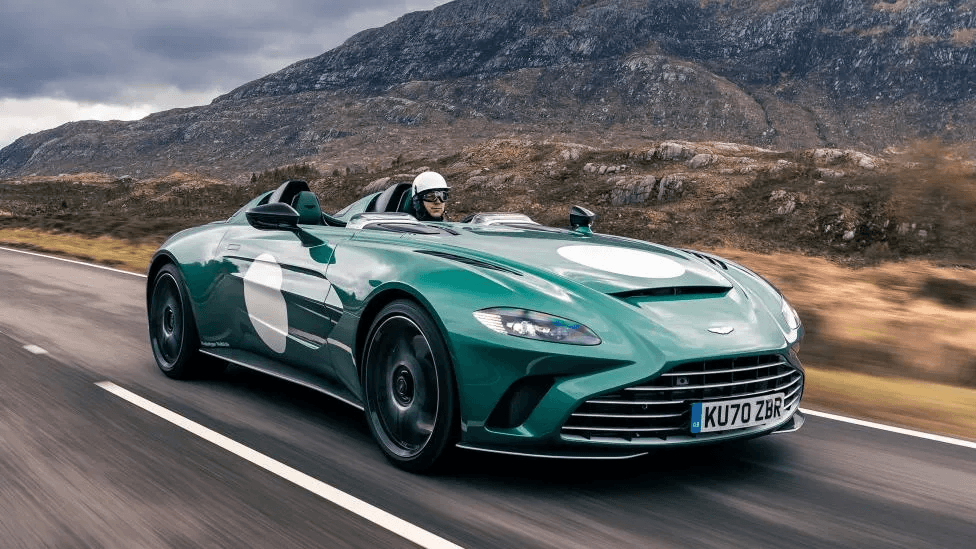
Aston Martin V12 Speedster follows the same minimalist cockpit philosophy as Ferrari Monza.
There is practically no traditional windscreen to protect the passengers.
Instead, small aerodynamic screens offer limited protection from the airflow.
Under the hood is a V12 engine producing approximately 691 hp.
V12 Speedster accelerates from 0 to 62 mph in about 3.5 seconds and reaches approximately 186 mph.
At such speeds, the absence of a normal windscreen creates a feeling that is completely different from that in a conventional supercar.
15. Hennessey Venom F5
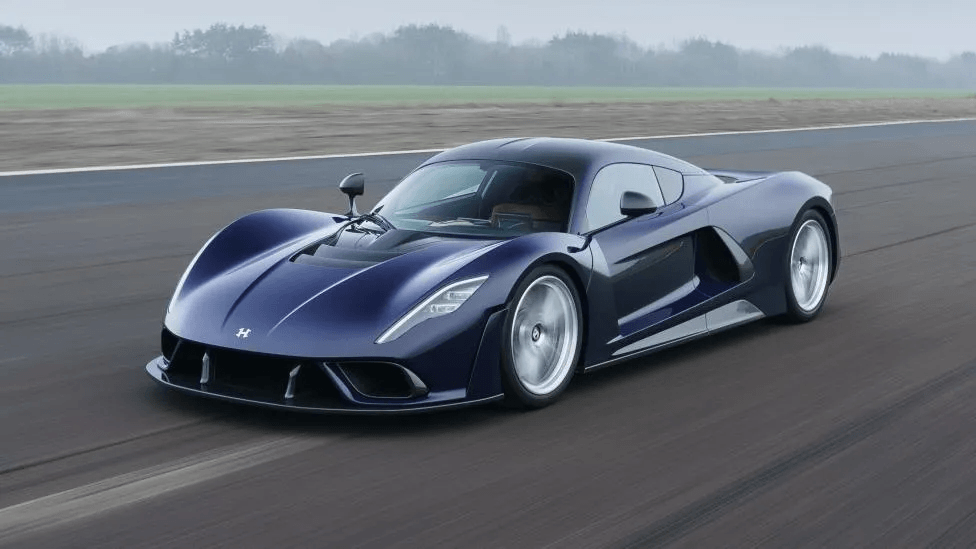
Hennessey Venom F5 is created with one main goal – extreme speed.
Its 6.6-liter V8 with two turbochargers, called Fury, produces approximately 1792 hp and 1192 lb-ft of torque.
Hennessey combines this engine with a specially developed carbon structure and body.
The dry weight is around 1360 kg, which provides an exceptional power-to-weight ratio.
The company claims acceleration from 0 to 250 mph in about 15.5 seconds.
Only a small number of units are produced, which adds even more exclusivity.
16. Czinger 21C
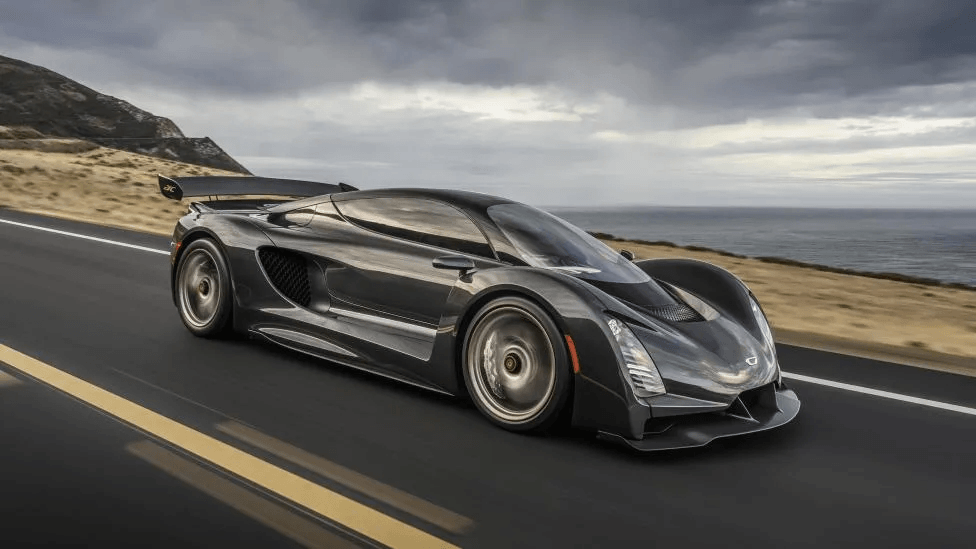
Czinger 21C combines extreme performance with one of the most interesting production approaches in the automotive industry.
Czinger uses modern additive manufacturing, more commonly known as 3D printing, to create many of the structural components.
The hybrid system combines a 2.9-liter V8 with two turbochargers and electric motors.
The total power exceeds 1200 hp.
The greater significance of 21C, however, lies in the way it is designed and manufactured. Computer-generated structures and 3D-printed metal components allow the creation of forms that would be difficult to produce in a traditional way.
Thus, 21C is both a hypercar and a demonstration of next-generation automotive manufacturing.
17. McLaren Elva
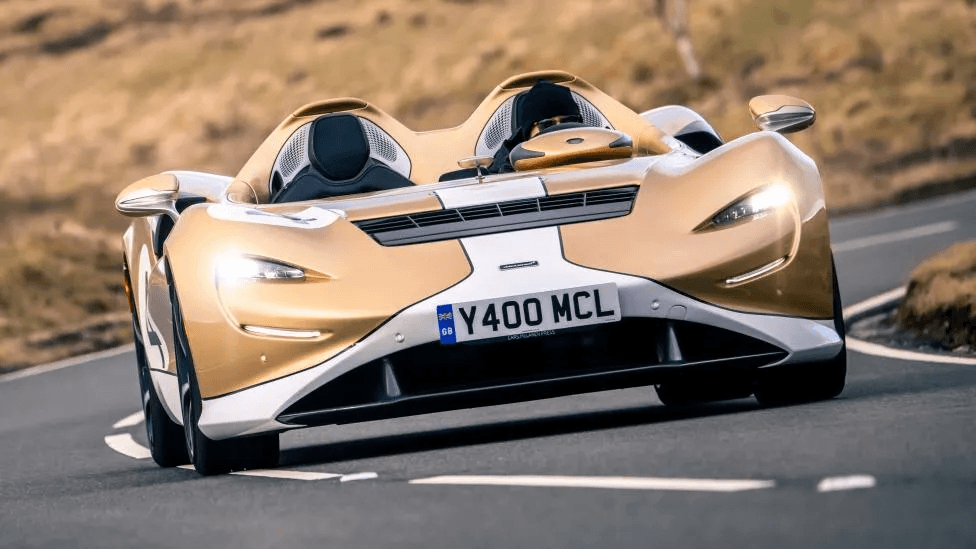
McLaren Elva offers another extreme interpretation of the open supercar.
It removes the conventional windscreen and roof, placing the passengers directly in the airflow.
McLaren, however, develops Active Air Management System, which reduces the air pressure on the coupé.
The system diverts the air upwards in front of the passengers and creates a more comfortable zone at high speed.
The power comes from a V8 with two turbochargers, producing approximately 804 hp.
In combination with the exceptionally low weight, this makes Elva one of the most intense road cars from McLaren.
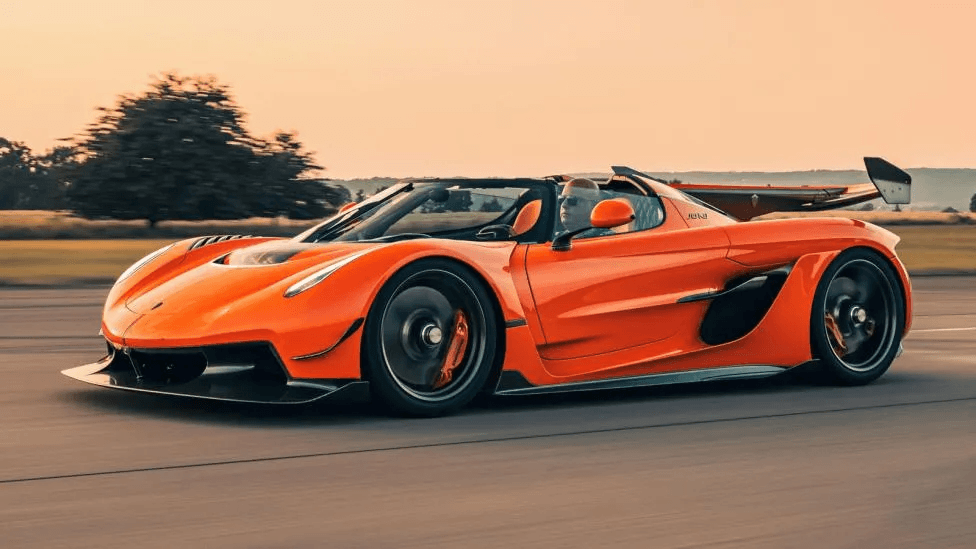
18. Koenigsegg Jesko
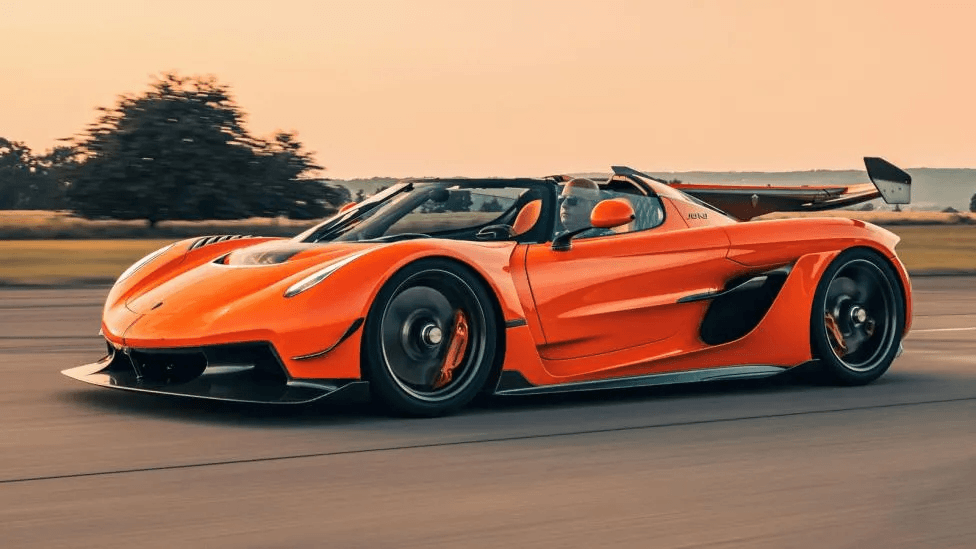
Koenigsegg Jesko represents the Swedish manufacturer's relentless pursuit of extreme speed and engineering innovation.
The name is in honor of Jesko von Koenigsegg, the father of the company's founder Christian von Koenigsegg.
The power comes from a 5.0-liter V8 with two turbochargers, combined with the improved nine-speed multi-clutch transmission from Koenigsegg.
Jesko is developed with the aim of extremely high speeds, with some versions designed to have the potential to exceed 300 mph under suitable conditions.
As with many models from Koenigsegg, the improved aerodynamics, low weight and unconventional technical solutions play a key role.
19. Ferrari SF90 Stradale
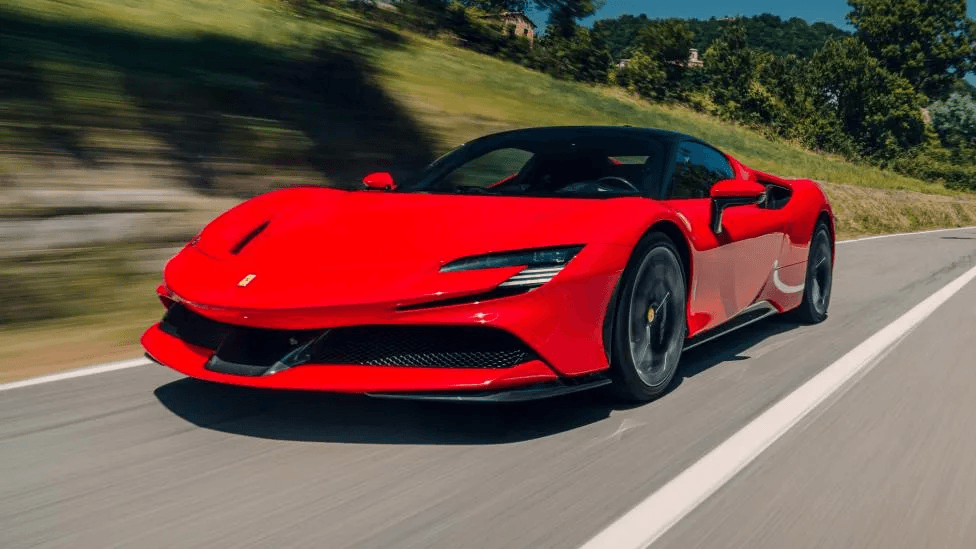
Ferrari SF90 Stradale marks an important change in Ferrari's approach to road-going high-performance cars.
Unlike traditional models from the brand, SF90 uses a plug-in hybrid powertrain.
The internal combustion engine works together with three electric motors and provides a total power output of approximately 986 hp.
This allows acceleration from 0 to 62 mph in about 2.5 seconds and reaching 124 mph in approximately 6.7 seconds.
The battery also allows for limited driving purely on electricity.
More importantly, SF90 proved that Ferrari can use significant electrification without sacrificing the performance expected from a flagship road model.
20. McLaren 720S
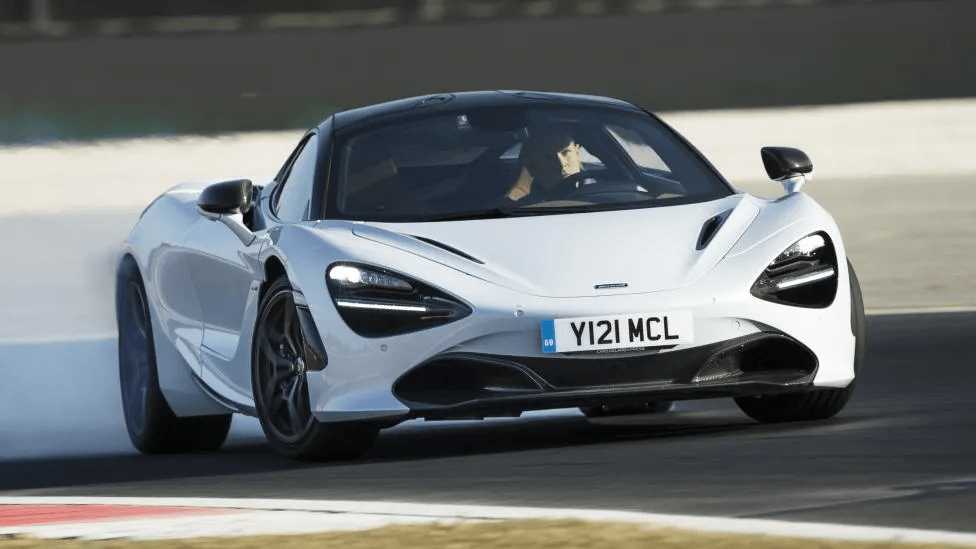
McLaren 720S remains an excellent example of a well-balanced modern supercar.
Its twin-turbocharged V8 produces approximately 710 hp and 568 lb-ft of torque.
The performance includes:
- 0–62 mph in about 2.9 seconds
- 0–124 mph in approximately 7.8 seconds
- Top speed around 212 mph
But the 720S offers much more than impressive acceleration.
The lightweight construction, hydraulic suspension, excellent visibility, aerodynamic body, and precise handling create a supercar that can be surprisingly comfortable to use.
More extreme models from McLaren may offer higher performance, but the 720S achieves an excellent balance between speed, comfort, and driving pleasure.
What defines a modern supercar?
Today's supercars no longer follow a single engineering formula.
Models like Ferrari 812 Competizione and Lamborghini Huracán STO continue the tradition of naturally aspirated engines. Others, including Ferrari SF90 Stradale and McLaren Artura, combine internal combustion engines with electrification.
At the same time, Rimac Nevera, Pininfarina Battista, and Lotus Evija show that electric motors can provide hypercar-level performance.
Manufacturers are experimenting more with production technologies and aerodynamics. Czinger 21C uses an advanced 3D printing process, while Gordon Murray T.50 relies on an unusual fan-based aerodynamic system.
Ultimately, the modern supercar market is more diverse than ever. Whether the priority is maximum speed, acceleration, handling, low weight, impressive design, or technological innovation, these 20 cars show how different approaches to extreme performance can be.