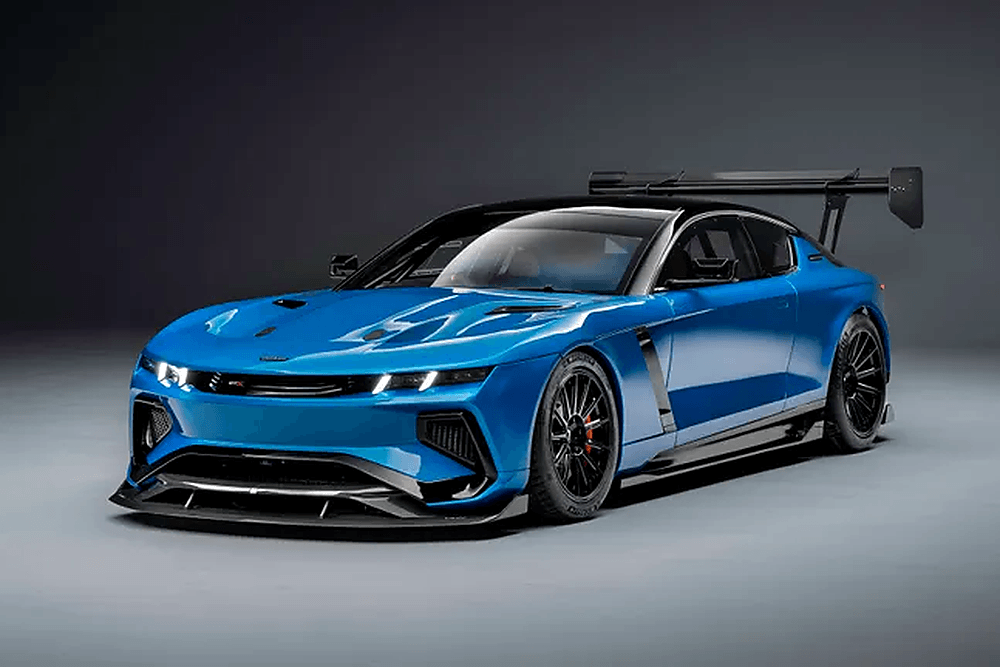
AMG admits it cannot convince all V8 enthusiasts to like the 2.0-litre sports sedan.

The automotive industry is at a key crossroads, with sustainability and environmental responsibility becoming as important as performance and luxury.Mercedes-Benz, a hard leader in innovation and high achievement, is leading this transition through strategic downsizing of the engine and electrification, particularly highlighted by thetransformation of the iconic AMG C63.

This model, historically synonymous with raw power and the deep rumble of a V8, is now a pioneer in a future-oriented approach with the shift to a compact, efficient 2.0-litre four-cylinder engine, integrated with state-of-the-art hybrid technology.

This change is not just a response to strict emissions regulations, but a bold statement of Mercedes-Benz's vision for the future of high-performance cars. The decision to forgo the beloved V8 in favour of a smaller, hybridised powertrain reflects a deeper commitment to reducing the environmental impact of their vehicles, without compromising the performance that enthusiasts expect fromAMG. It is a move that redefines what it means to be a luxury sports sedan in the 21st century, combining performance, efficiency, and innovation.
2024 Mercedes-AMG C63 S E-Performance: First Drive

Michael Schiebe, CEO of AMG, in his conversation withTop Gear, highlighted the reasoning behind this important turn. His insights reveal a deliberate strategy for embracing hybridisation, supported by the belief in its potential to meet the dual demands of exciting performance and environmental care. This approach acknowledges the varied preferences of their clientele, from traditionalists mourning the loss of the V8, to a new, environmentally conscious audience drawn to the promise of a high-performance PHEV.

The introduction of the plug-in hybrid C63 is proof of Mercedes-Benz's power in engineering vehicles that deliver the thrill of driving while promoting the cause of sustainability. This marks a turning point, demonstrating that the future of high-performance vehicles lies in the intelligent integration of electric power with traditional internal combustion engines.

Beyond the C63, Mercedes-Benz's strategy involves a broader realignment of its portfolio. The consolidation of the two-door C-Class andE-Class into the new CLE, equipped with a straight-six engine for its '53' models, demonstrates a pragmatic approach to offering variety and performance in a more sustainable package. This move, which caters to the demand for larger engines, involves a modern take on power and efficiency, ensuring that even the most work-volume-hungry customers have options within theMercedes-Benz.

range. As the automotive landscape evolves, expectations around the next E63 and its expected installation of a straight-six PHEV further illustrate the industry's shift towards electrification. This evolution is mirrored by competitors, such asBMW with its M5, showing recognition across the sector of the role of hybrid technology in the future of powerful cars.

The return of theM5 Touring, along with these developments, underscores the vibrant market for high-performance wagons, highlighting the enduring appeal of versatile, dynamic vehicles that cater to a range of customer preferences.

Mercedes-Benz's strategic shift towards downsizing and electrification is more than a response to external pressure; it is a farsighted embrace of the opportunities that hybrid technology offers for improving vehicle performance while addressing environmental concerns. This combination of innovation, performance, and sustainability sets a new standard for the automotive industry, challenging other manufacturers to follow suit.

As we look to the future, it is clear that the journey towards more sustainable vehicles will be led by those who can harmonize the thrill of driving with the imperative of environmental responsibility, a challenge that Mercedes-Benz is ready to meet directly.