The oddly shaped car is apparently too expensive to develop.
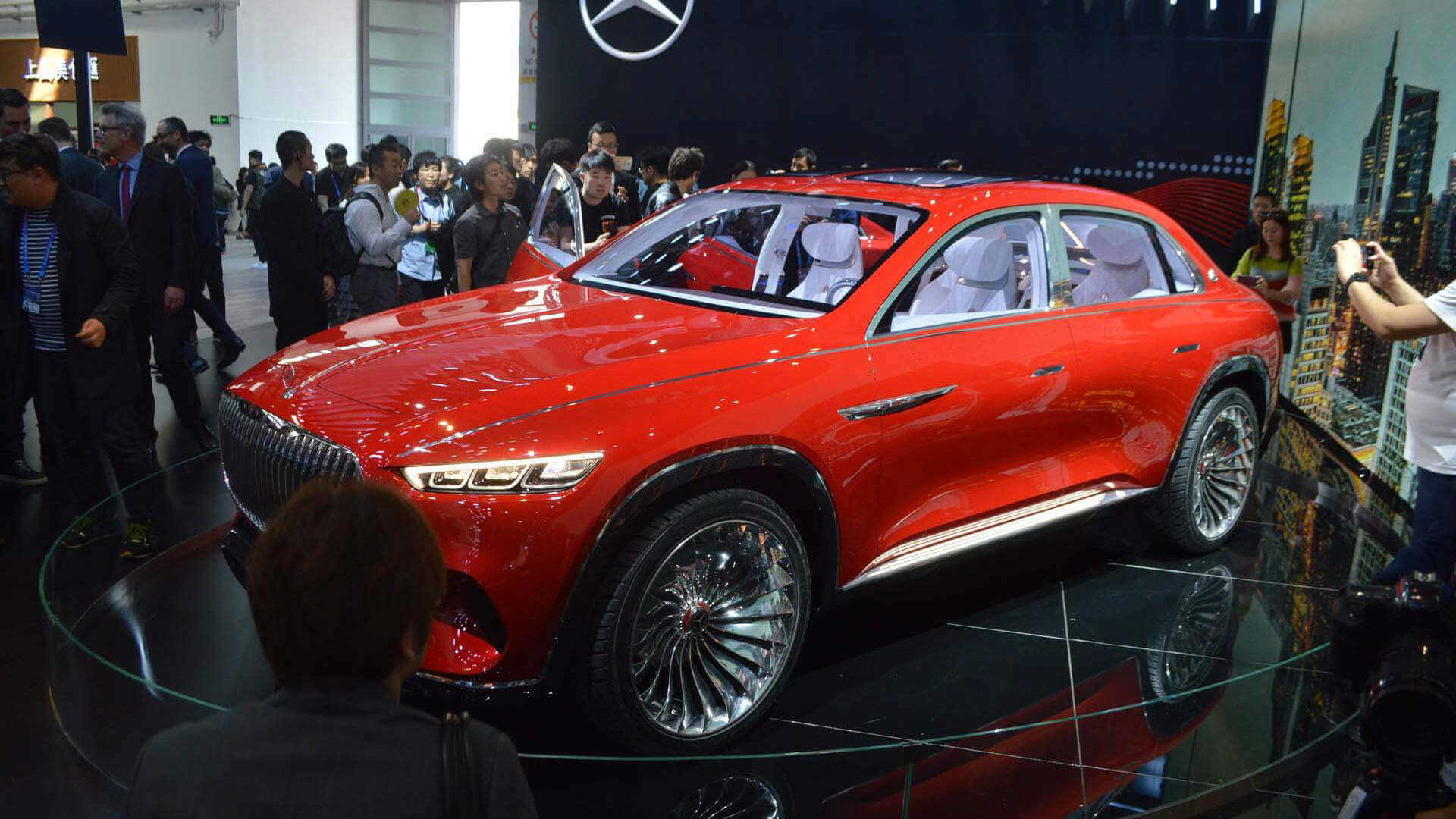
In 2018, Mercedes-Benz introduced a concept that promised to redefine luxury mobility: the Vision Mercedes-Maybach Ultimate Luxury. However, recent articles from the German business newspaper Handelsblatt show that this bold fusion of sedan and SUV design principles will not go into production.
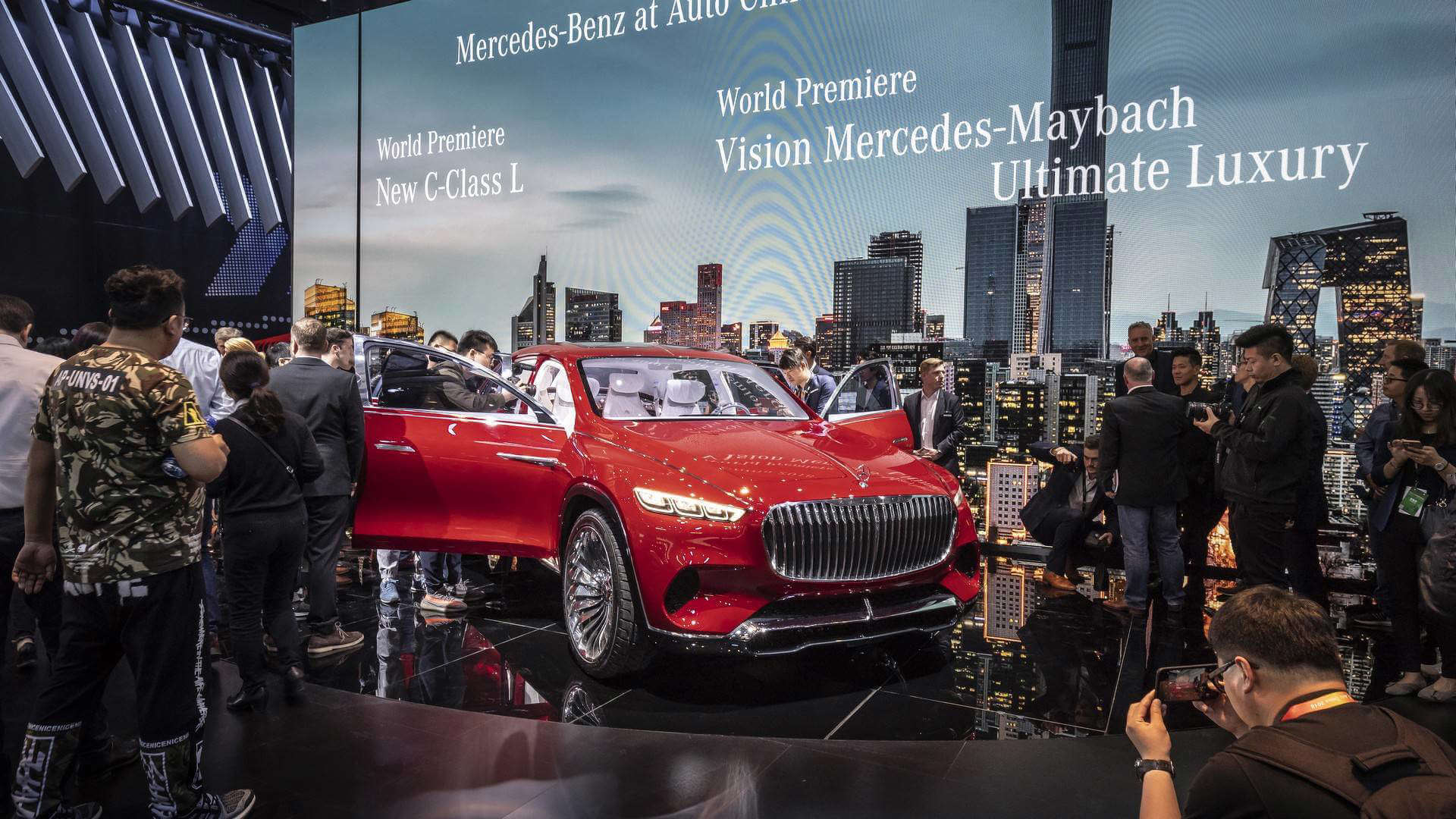
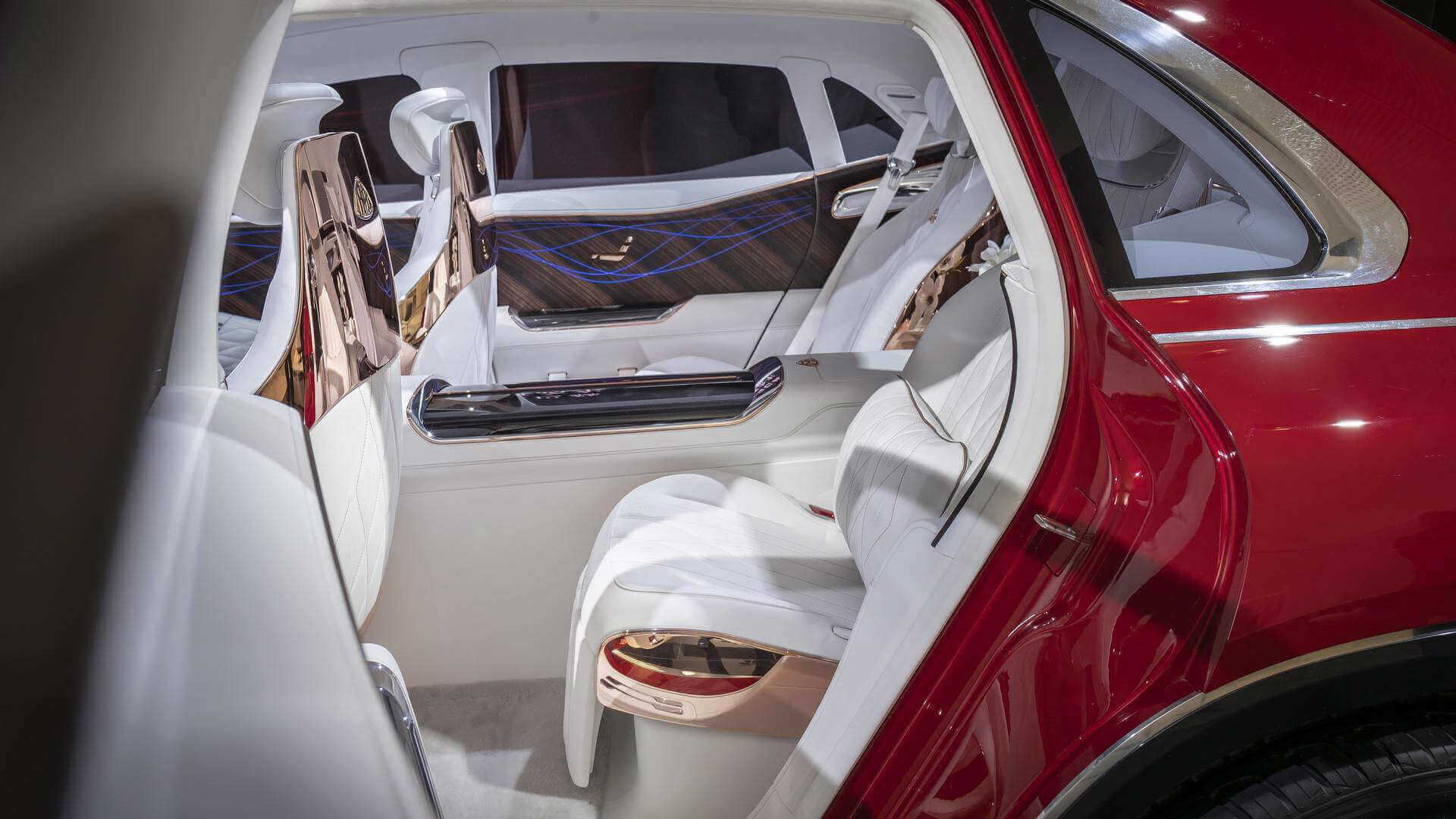
The ambitious project, which aimed to combine the comfort and elegance of a sedan with the toughness and space of an SUV, was primarily targeted at the Chinese market, where both types of vehicles enjoy huge popularity. The concept introduced a new category, Sport Utility Sedan (SUS), but it appears the venture is considered too complex and expensive to be viable.
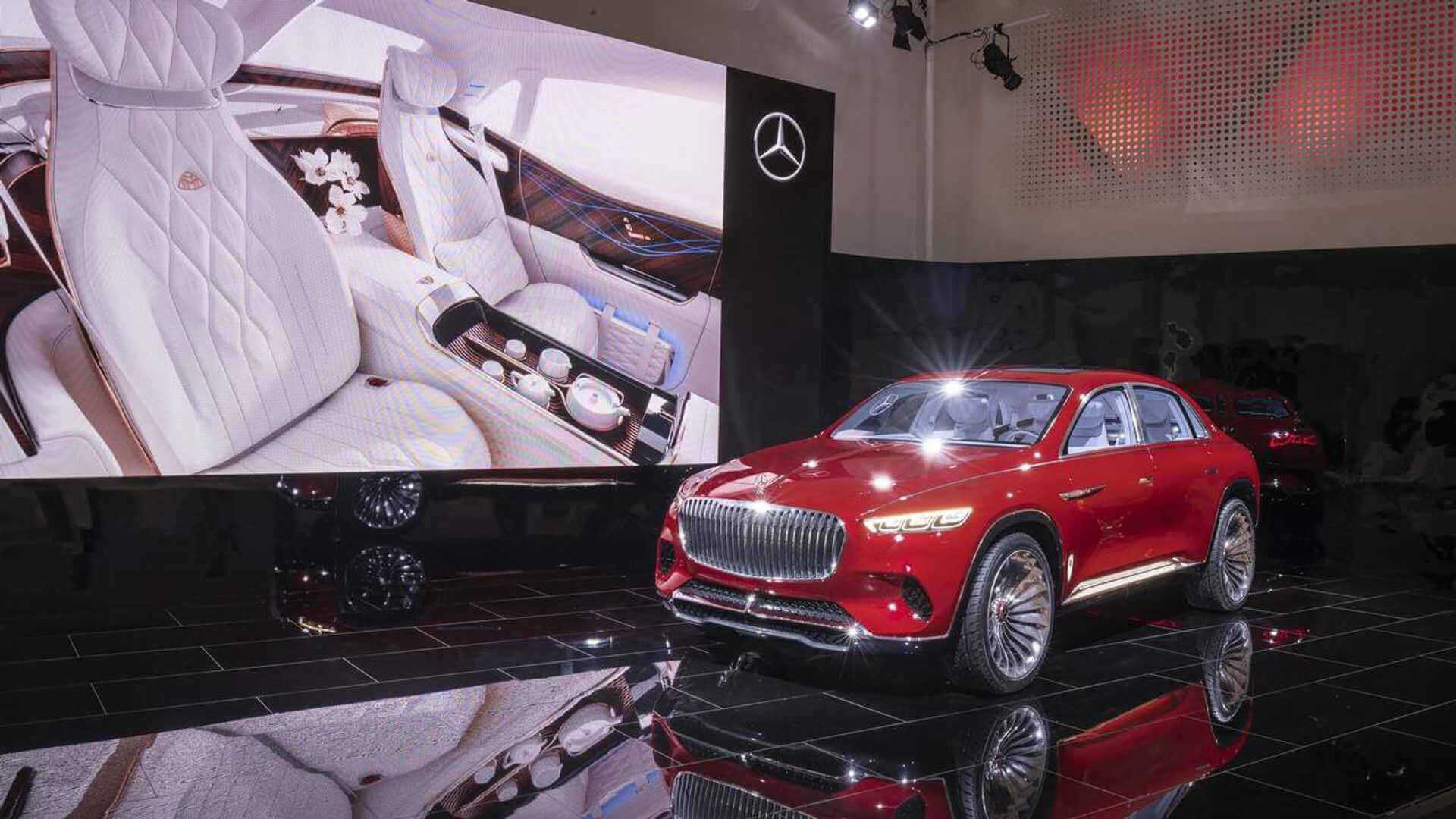
According to Handelsblatt, which cited three anonymous sources, the decision to halt the project was made a few months ago, dashing any hopes the vehicle would make its commercial debut in China by 2025. It was planned to be produced exclusively in Beijing with the help of the EVA2 platform, which also underpins the EQE and EQS models and their SUV counterparts.
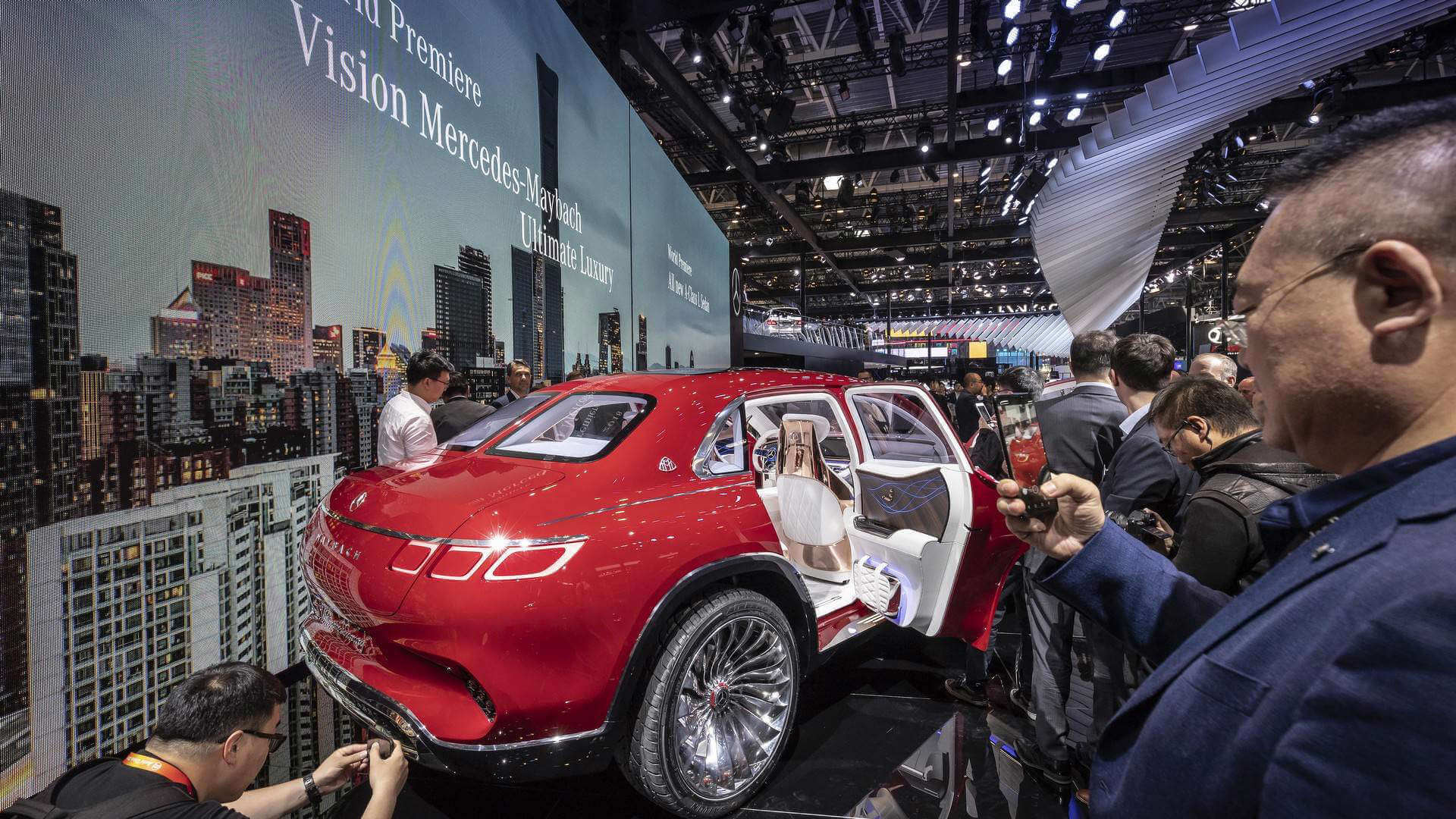
Mercedes-Benz confirmed that the project is on hold, citing the car’s complexity and the high development costs as the main reasons for its cancellation. The company emphasized that its current portfolio of electric vehicles in China is already effective for all key market segments. As part of its strategy to simplify and focus its product range, Mercedes-Benz chose to postpone the SUS project in the foreseeable future.
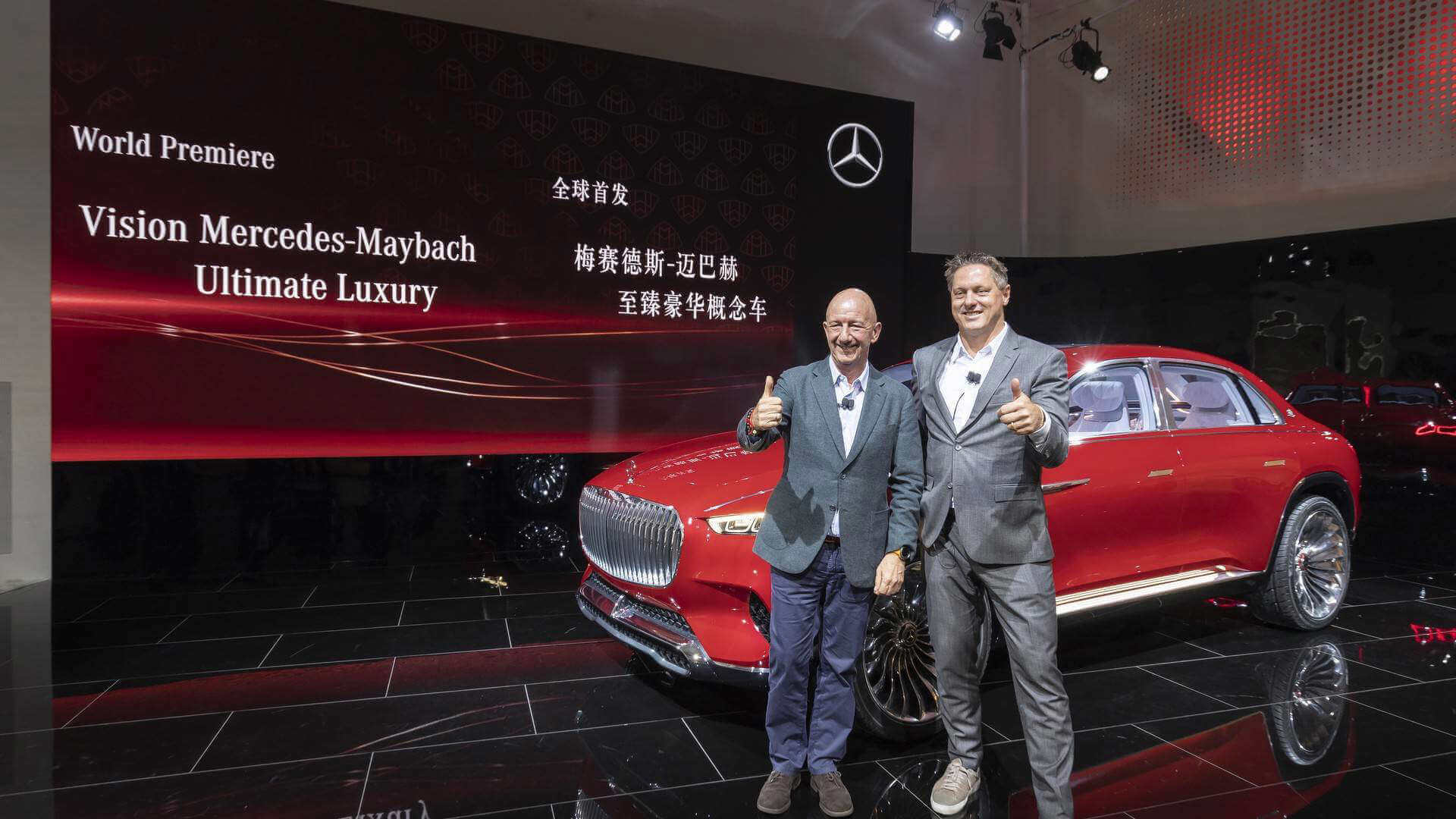
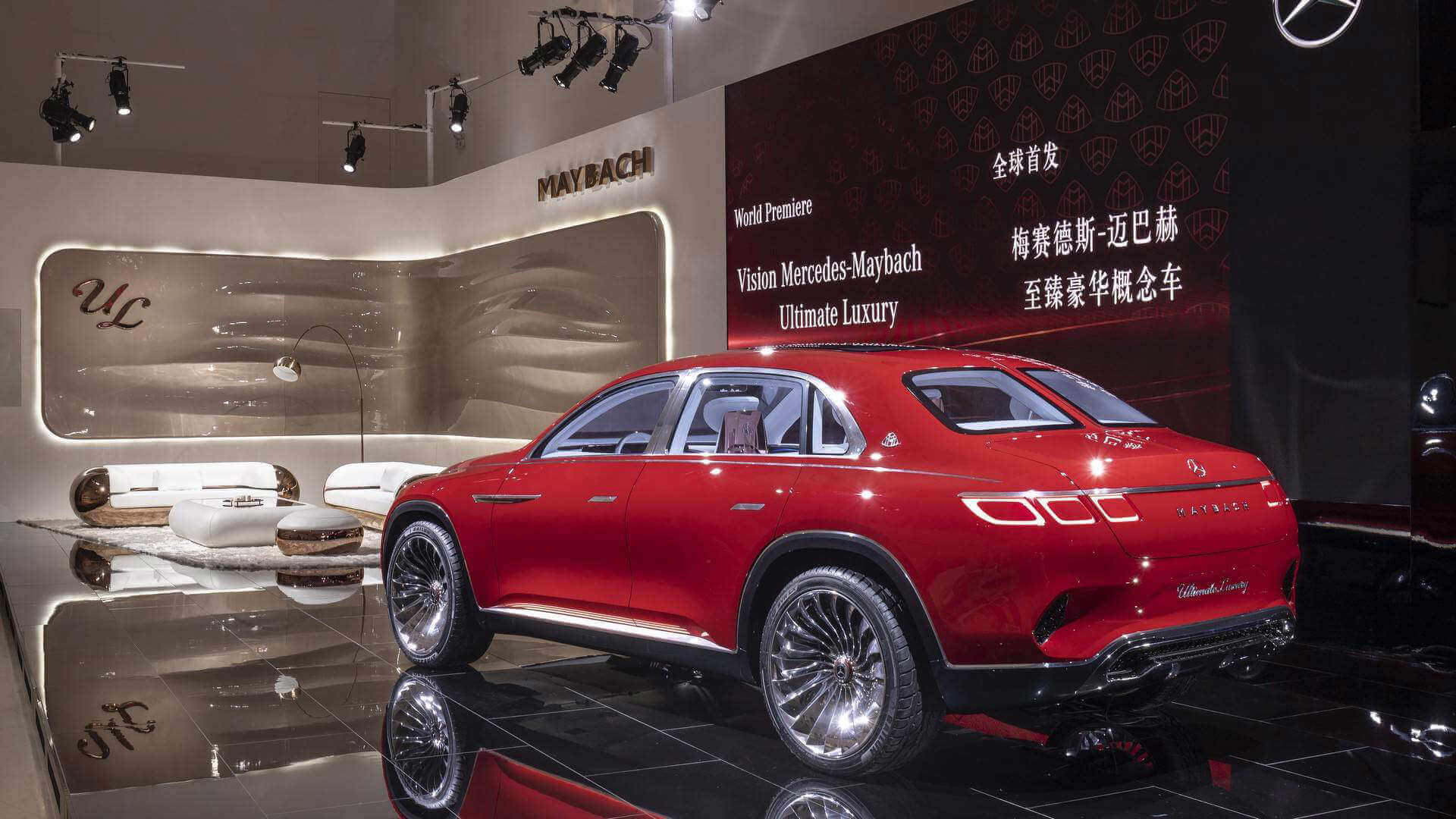
The Vision Mercedes-Maybach Ultimate Luxury was a technological marvel, featuring a four-wheel-drive electric system powered by four motors that provided a combined 738 horsepower. Its design included 24-inch turbine-style wheels and a unique front trunk design with a split opening.
The vehicle promised over 200 miles of range according to the EPA test procedure and supported 350-kW fast charging, allowing for rapid recharging capable of providing 62 miles of range in just five minutes.
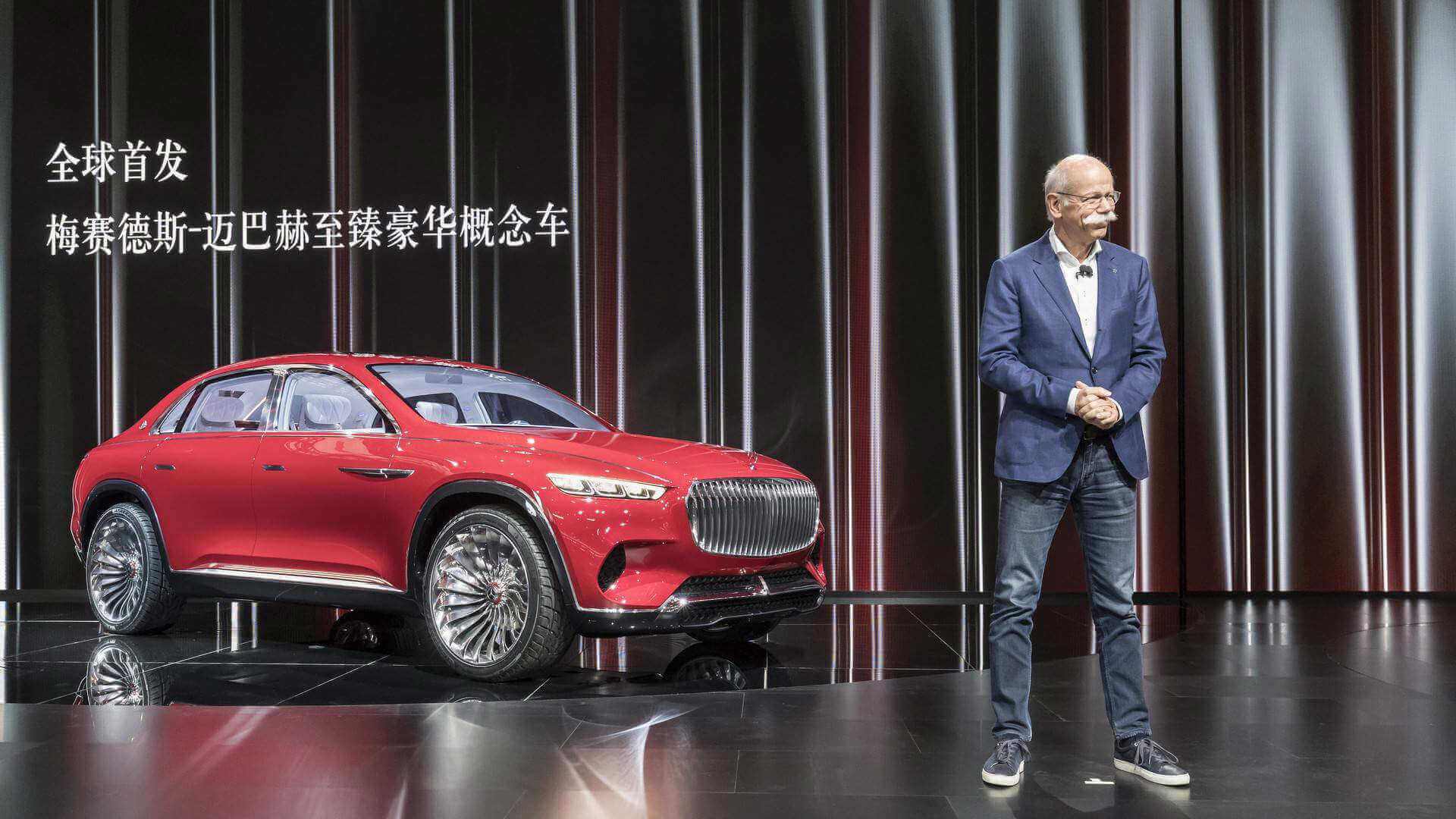
Chief designer of Mercedes-Benz, Gorden Wagener, described the concept as a blend of SUV and sedan DNA, creating a new, ultramodern three-box SUV design that exudes sophistication.
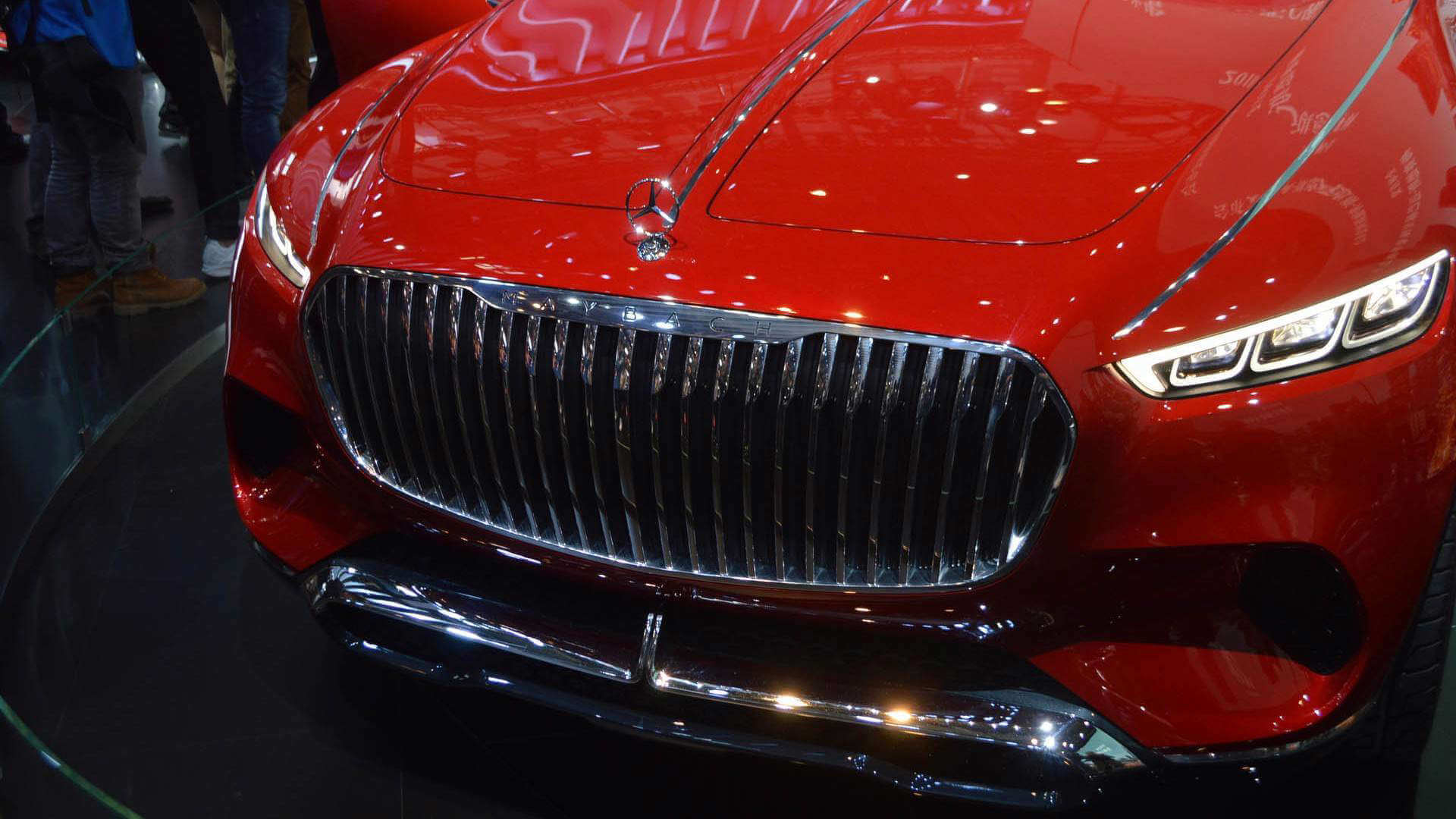
Despite its innovative approach and the buzz it generated at its debut, the Vision Mercedes-Maybach Ultimate Luxury joins a list of Maybach-branded concepts, such as the 2016 Mercedes-Maybach 6 and the 2017 Mercedes-Maybach 6 Cabriolet, that will not become production models.
Nonetheless, Mercedes-Benz remains committed to expanding its luxury offerings. The Maybach brand continues to grow with the addition of the Maybach SL, which will join the ranks of the luxury S-Class sedan, GLS, and EQS SUV.
Furthermore, Mercedes-Benz is poised to launch the Mythos series in 2025, a collection of limited-edition, ultra-luxury vehicles that will include an SL-based speedster, underscoring the automaker’s commitment to innovation and luxury in the automotive industry.
This move demonstrates Mercedes-Benz’s intention to continue pushing the boundaries of luxury and performance, even as it makes strategic decisions about which concepts to bring to market.
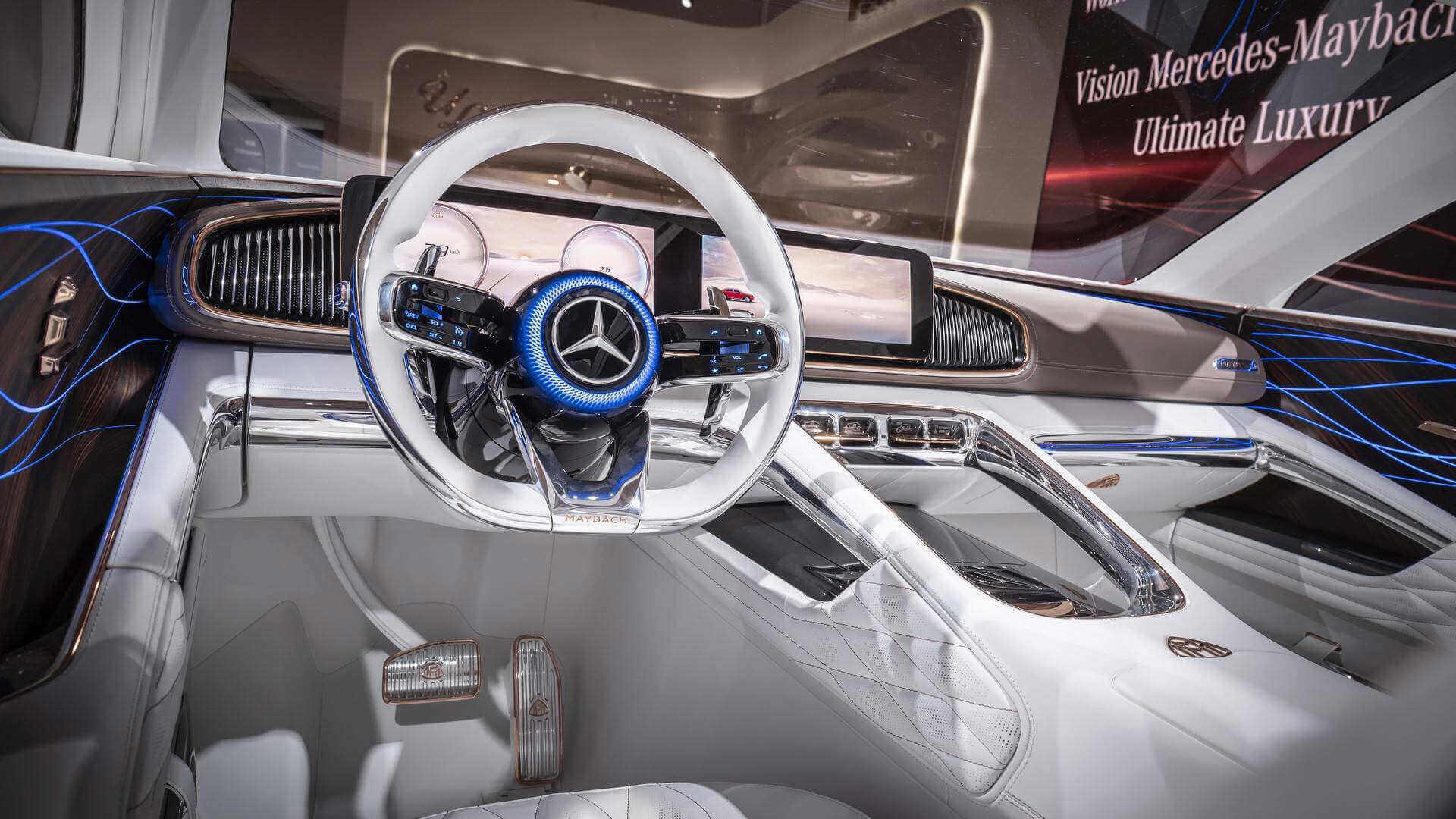
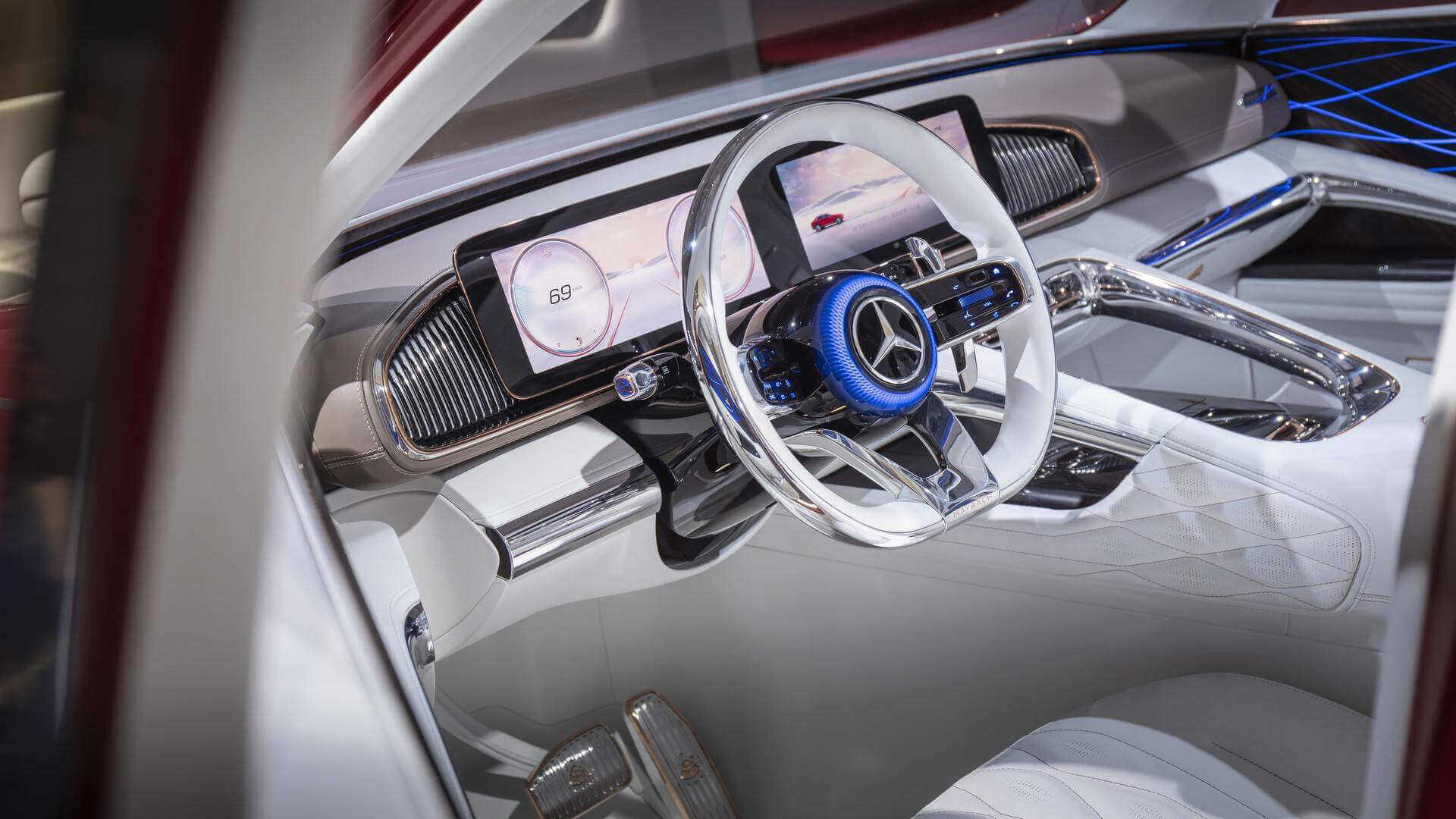
The luxury car market is at the forefront of combining innovation with wealth, continuously adapting to the changing tastes and demands of its customers. The Vision Mercedes-Maybach Ultimate Luxury was a testament to this adaptability, aiming to set a new standard in luxury by merging the functionality of an SUV with the elegance of a sedan.
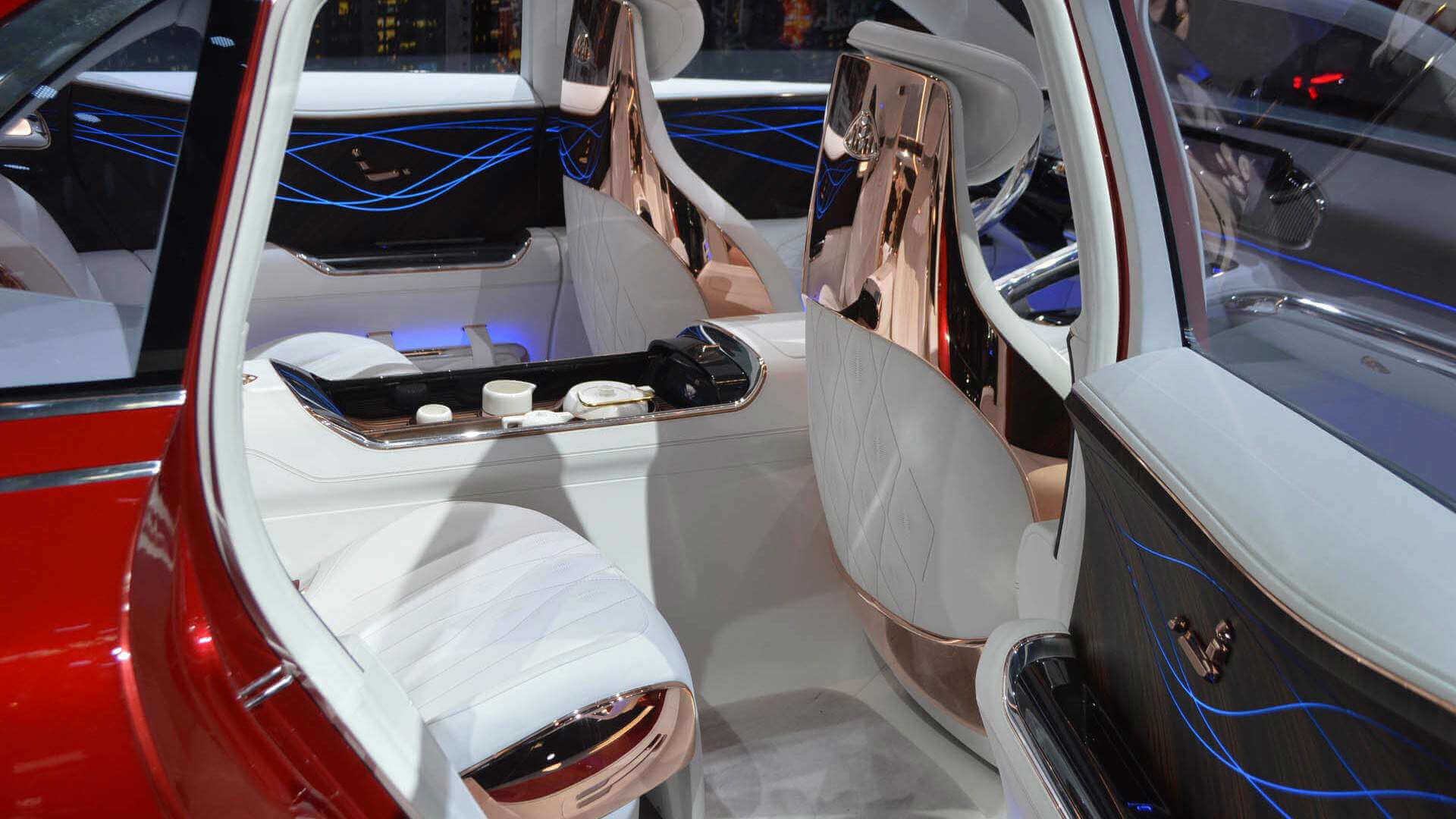
This move was specifically aimed at capturing the unique preferences of the Chinese market, where both categories of vehicles dominate consumer preferences. However, the cancellation of the project highlights the challenges and complexity inherent in pioneering new segments, especially in a highly competitive and dynamic industry such as luxury cars.
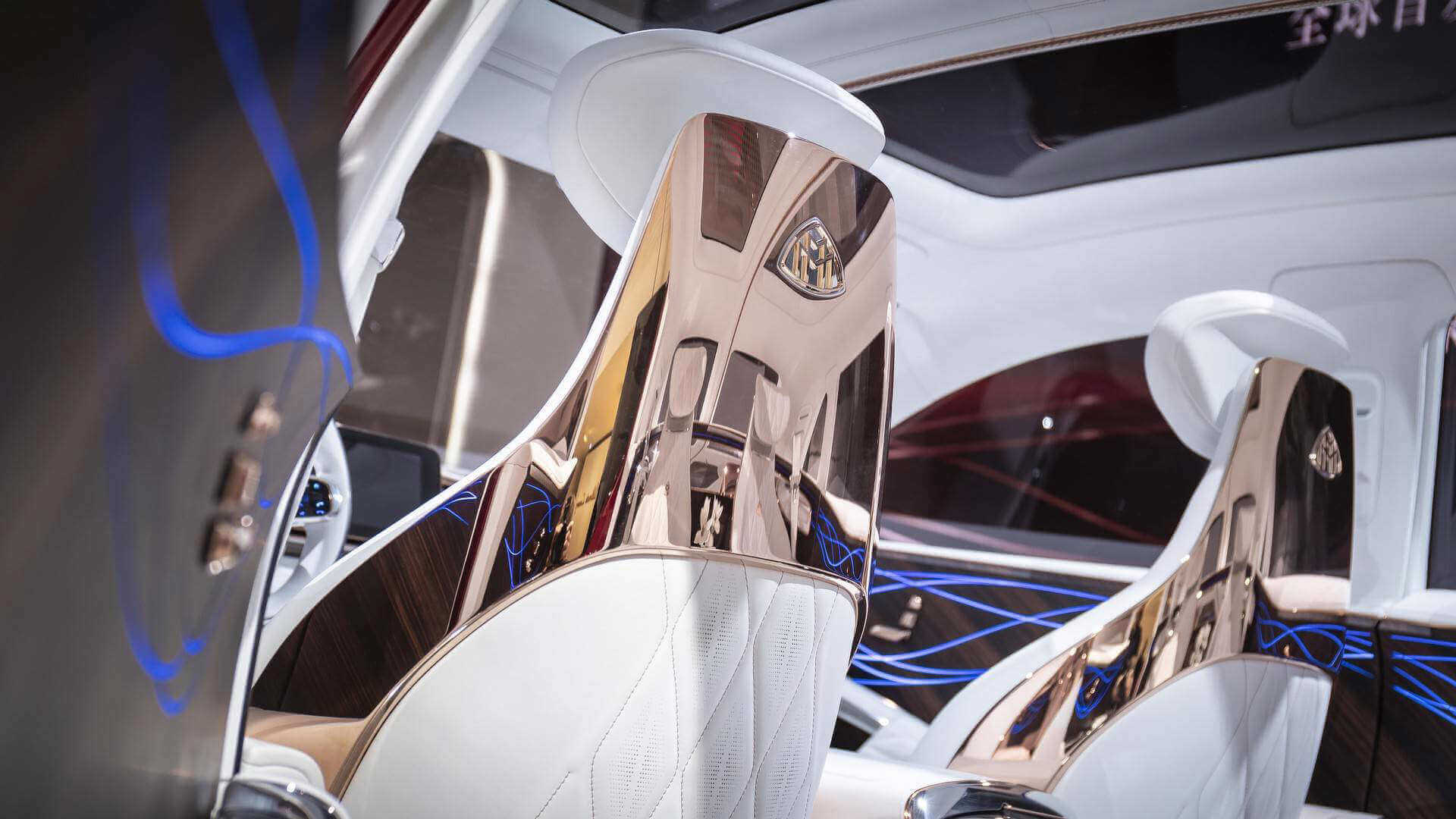
The decision of Mercedes-Benz to halt the Vision Mercedes-Maybach Ultimate Luxury project can also be viewed as a strategic refocusing on sustainability and electric mobility. As the automotive industry undergoes a significant transformation towards electric vehicles, manufacturers are prioritizing investments in EV technology and infrastructure over experimental projects.

Mercedes-Benz's extensive range of electric vehicles, including the EQE and EQS and their SUV variants, illustrates the brand's commitment to leading the electric revolution in the luxury segment.