
What is a Clutch?
The clutch (also known as the ambreaúj) is a metal disc, lined on both sides with a friction material - ferodo. Its purpose is to enable smooth vehicle take-off and to disconnect the engine from the gearbox when changing gears or when the vehicle is disengaged from gear.
What is it made of?
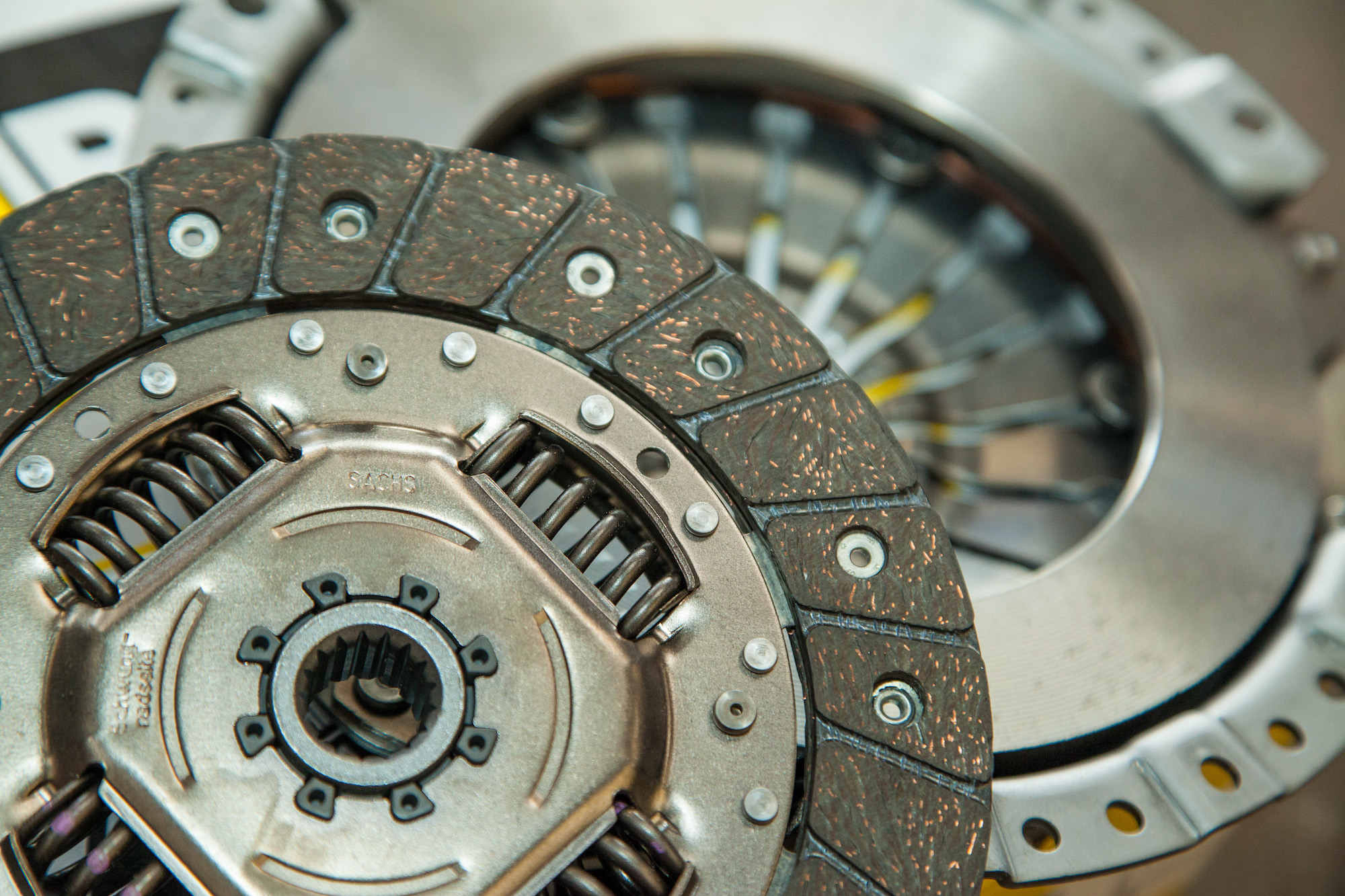
The main parts of the clutch are:
 How does it work?
The pressure plate exerts pressure on the ferodo disc, pressing it against the mirror surface of the flywheel. Through the created friction force, the engine's torque is transmitted to the transmission.
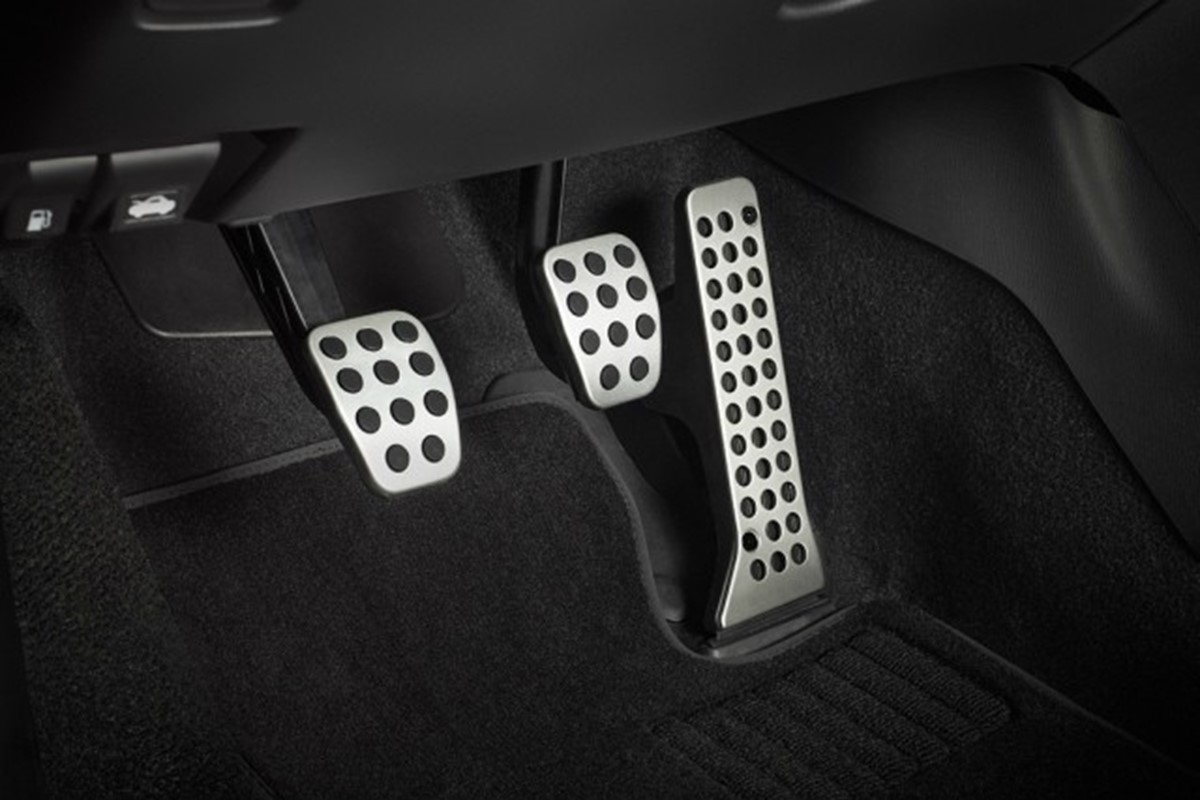
In simpler terms - in order to be able to change gears (speeds), we need to press the clutch pedal, thereby disconnecting the engine from the power transmission.
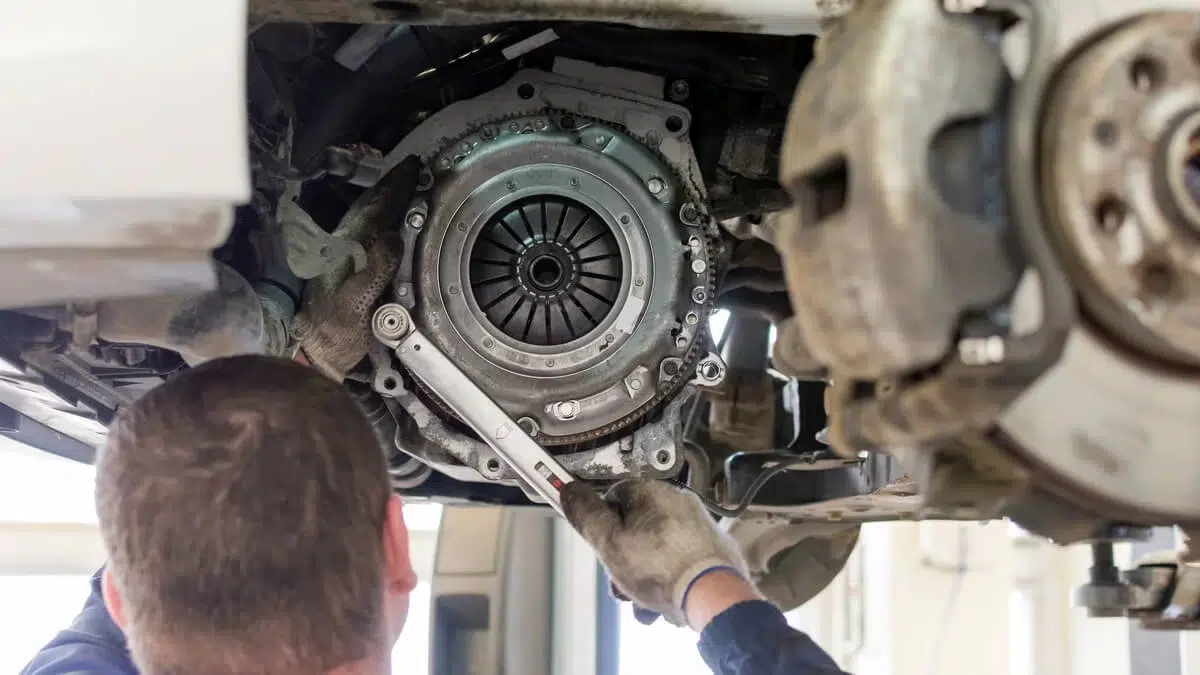
Clutch actuation can be mechanical, hydraulic, or electric.
Mechanical actuation is accomplished via a cable, which is fixed to the clutch pedal and the fork.
Hydraulic actuation consists of a master hydraulic cylinder and a slave cylinder. It uses brake fluid.
Electric actuation is composed of an electric motor, which is activated when we press the clutch pedal.
 The Clutch in an Automatic Transmission
Cars with automatic transmissions also have clutches. The engagement and disengagement of the clutch is carried out by a servomechanism, and the driving mechanism can be electric, hydraulic, or an electronic control unit.
To avoid drawbacks such as delayed gear shifting and a feeling of lurching, an automatic transmission with two clutches is created. They work sequentially, which accelerates the clutch's operation and makes gear shifting imperceptible to the driver.
Clutch Wear
Proper clutch operation is of great importance for the entire vehicle's performance.
Its wear depends on:
 How to Tell if the Clutch is Worn?
Whenever there is a problem, the vehicle itself sends us warning signals. It is up to us to read them in time.
The clutch needs attention when:
- ferodo disc - establishes the connection between the flywheel and the pressure plate
- pressure plate - mounted to the flywheel and having its diameter
- flywheel - connected to the engine crankshaft and rotating together with it
- bearing and release system - located on the outside of the pressure plate
How does it work?
The pressure plate exerts pressure on the ferodo disc, pressing it against the mirror surface of the flywheel. Through the created friction force, the engine's torque is transmitted to the transmission.
In simpler terms - in order to be able to change gears (speeds), we need to press the clutch pedal, thereby disconnecting the engine from the power transmission.
Clutch actuation can be mechanical, hydraulic, or electric.
Mechanical actuation is accomplished via a cable, which is fixed to the clutch pedal and the fork.
Hydraulic actuation consists of a master hydraulic cylinder and a slave cylinder. It uses brake fluid.
Electric actuation is composed of an electric motor, which is activated when we press the clutch pedal.
The Clutch in an Automatic Transmission
Cars with automatic transmissions also have clutches. The engagement and disengagement of the clutch is carried out by a servomechanism, and the driving mechanism can be electric, hydraulic, or an electronic control unit.
To avoid drawbacks such as delayed gear shifting and a feeling of lurching, an automatic transmission with two clutches is created. They work sequentially, which accelerates the clutch's operation and makes gear shifting imperceptible to the driver.
Clutch Wear
Proper clutch operation is of great importance for the entire vehicle's performance.
Its wear depends on:
- our driving style;
- where we drive - more in urban or rural areas;
- how often we press the clutch pedal;
- lack of free play on the pedal - 'high' clutch release;
- excessive free play - the clutch releases 'low', which can lead to accelerated
- wear of the synchronizers and gears in the gearbox.
How to Tell if the Clutch is Worn?
Whenever there is a problem, the vehicle itself sends us warning signals. It is up to us to read them in time.
The clutch needs attention when:
- we feel 'stiffening' of the clutch pedal;
- we experience difficulty pressing the clutch smoothly;
- we press the pedal, but the gear lever does not move freely;
- we feel vibrations when changing gears;
- we press the throttle and the engine revs up, but the speed does not change;
- fuel consumption increases and power loss is observed;
- when releasing the pedal, it does not return to its initial position;
- we hear an unusual noise when working with the gear lever and clutch;
- we smell an unusual odor when changing gears;
- the vehicle does not take off when a gear is engaged and the clutch pedal is released;
- always press the clutch pedal all the way down;
- press the clutch quickly, but not abruptly, and release it gradually and smoothly;
- do not accelerate sharply at high engine speeds;
- when stopping temporarily, do not keep the pedal pressed constantly;
- make sure that there is nothing under the pedal that could restrict its travel;
- do not use the pedal as a footrest.